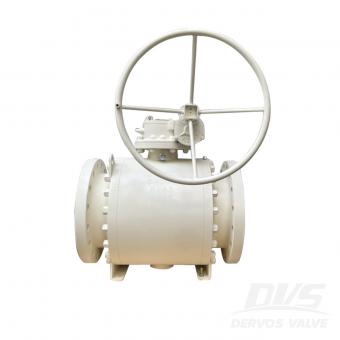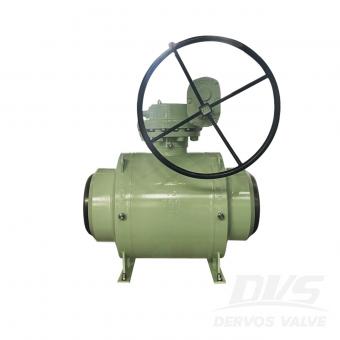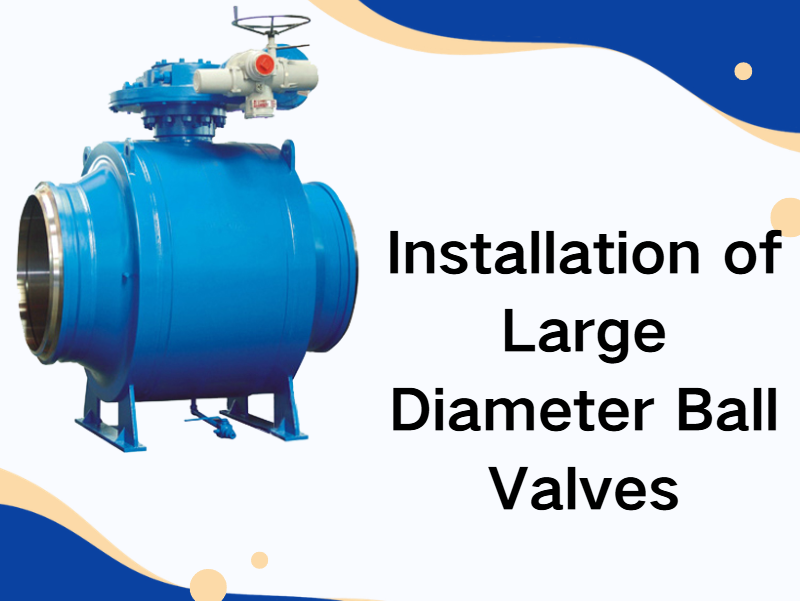
Large diameter ball valves are commonly used in industries such as petroleum and chemical processing, power generation, long-distance pipeline transportation, and large-scale water treatment systems. If installation is not performed correctly, it may lead to sealing leakage, valve jamming, or structural stress damage. Therefore, proper installation practices are essential to ensure long-term stable operation. 1. Pre-installation Inspection If pre-installation inspection is insufficient, operational failures are more likely to occur during service. First, inspect the valve body for transportation damage. If scratches, impact marks, or deformation are found on the valve body or sealing surfaces, installation should be stopped and the supplier should be contacted. Next, verify valve model, pressure rating, and connection standards. If the system design pressure does not match the valve pressure class, operational safety risks may occur. For example, if a low-pressure class valve is mistakenly used in a high-pressure pipeline system, the valve body may experience plastic deformation under water hammer impact. It is also necessary to check the condition of the ball surface and sealing rings. If there are scratches on the ball surface, sealing performance will be reduced. This is especially critical in gas transmission systems where micro-leakage is more likely. 2. Installation Direction Large diameter ball valves usually have a flow direction marking. If the installation direction is incorrect, the following problems may occur: If the fluid flow direction matches the design direction, the operating torque will remain more stable. If the valve is installed in reverse, the stem may experience increased mechanical load, which will accelerate stem wear during long-term operation. For double-seal bidirectional ball valves, although bidirectional flow is allowed, installation according to the marked flow direction is still recommended to ensure more uniform sealing stress distribution. In high-temperature or steam systems, if the installation direction is incorrect, thermal expansion may accelerate sealing ring aging. 3. Pipeline Stress Control Large diameter ball valves are heavy. If installed without proper support, additional bending moments may be transferred to flange connections. If pipeline systems experience axial displacement, pipeline supports should be installed for segmented fixation. If support structures are not provided, the valve body may bear long-term gravitational tensile load, eventually causing flange seal failure. It is generally recommended to install independent supports on both sides of large diameter ball valves. If the pipeline system is subject to thermal expansion and contraction, expansion compensation devices must be installed; otherwise, sealing surfaces may gradually fail. 4. Bolt Tightening Process Flange connections of large diameter ball valves usually ...

This year’s Dervos annual conference was noticeably more grand and well-organized than in previous years. In the morning session, each department delivered its annual work summary, reviewing key projects and achievements over the past year. Teams also openly shared the challenges encountered during implementation and the practical experience gained along the way. Through this cross-department exchange, everyone developed a clearer understanding of one another’s responsibilities and workflows, laying a stronger foundation for future collaboration and communication. In the afternoon session, the Outstanding Employee awards were presented. Each nominee shared their work achievements and practical experience, demonstrating a strong sense of responsibility and execution across different roles. It is precisely this proactive mindset, collaborative spirit, and down-to-earth working approach of Dervos employees that drives the team steadily toward its shared goals. Showing up on time every single day throughout the year — that’s quite an achievement. Ian has now received the Perfect Attendance Award for two consecutive years. During the annual conference, Dervos also presented medals and exclusive commemorative gifts to employees who have completed five years of service. Dervos values the long-term dedication and consistent commitment of its team members, and sincerely appreciates the trust and contributions they have made over the years. For many at Dervos, the company is not only a platform for professional growth, but also a stage where shared goals and collective efforts come to life. In the evening, the annual conference transitioned into the banquet segment. Performances and interactive games were seamlessly interspersed, creating a relaxed yet organized atmosphere. Laughter and cheers echoed throughout the venue, and in the moment the camera shutter clicked, the excitement and joy were captured in a single frame. Eric said: "Let’s dream together, DERVOS's dream. A dream where we all play a part, piece by piece, it becomes a reality." For Dervos, the annual meeting is not just about "summarizing the year," but about bringing our hearts together, strengthening our resolve in doing the same thing, and then continuing to move forward, step by step, with steady progress.
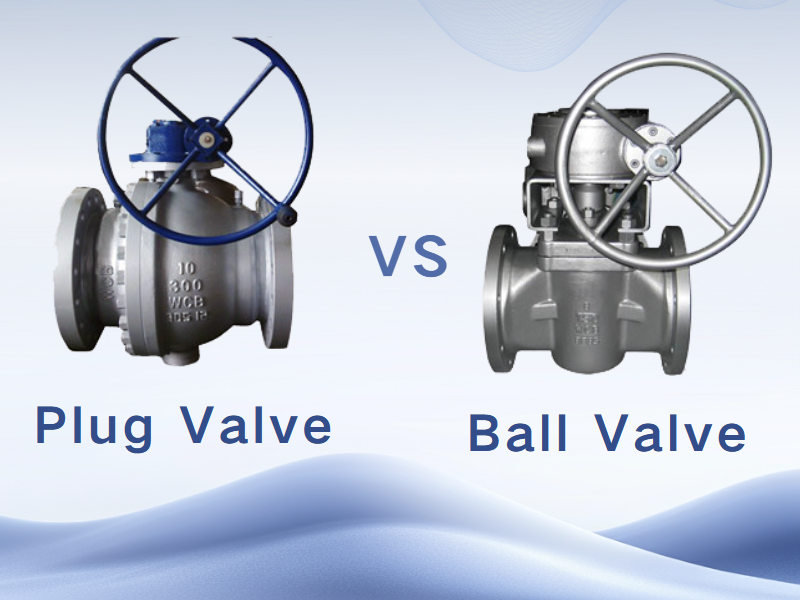
Ball valves and plug valves differ significantly in several aspects, including structure, operating principle, mode of operation, flow control capability, sealing performance, and application scenarios. These differences enable the two types of valves to perform distinct roles in their respective fields. Structural Differences The ball valve, a design evolved from the plug valve, utilizes a spherical element as its core component. By rotating the ball 90° around the stem axis, the valve can be opened or closed. Its structure is straightforward, consisting primarily of a spherical closure element with a through-bore housed within the valve body. In contrast, the structure of a plug valve is more complex. It comprises multiple components such as the valve body, bonnet, plug, seat, and stem. The closure element is a cylindrical or tapered plug that controls flow by rotating 90°, aligning or misaligning the port in the plug with the flow passage in the valve body to achieve opening or shutoff. Operating Principle The operating principle of a ball valve relies on the rotation of the ball to control the on-off flow of fluid. When the ball is in tight contact with the valve seat, the clearance between them is completely sealed, thereby preventing fluid leakage. When the ball rotates to a position disengaged from the seat, the fluid is allowed to flow freely through the passage inside the valve body. The operating principle of a plug valve differs in that it primarily controls the flow passage by rotating the plug element to open or close the valve. In a plug valve, the plug is connected to the stem and rotates together with it to achieve flow control. The closure element is a tapered plug with a port, and the flow passage is designed to be perpendicular to the axis of the plug. This configuration enables the plug valve to operate more efficiently and reliably during opening and closing. The operation of a ball valve is notably simple, requiring only a 90-degree rotation to achieve opening or closing. This design allows the flow passage to be opened or shut off quickly and smoothly when the ball is rotated by 90 degrees, providing both convenience and efficiency. In addition, ball valves offer relatively low flow resistance in the fully open or fully closed position, making them particularly suitable for applications that require rapid on-off operation. By contrast, the operation of a plug valve is comparatively more complex, as several turns are typically required to complete the opening or closing action. The valve plug is designed in a cylindrical or tapered form and regulates fluid flow through rotation. Nevertheless, plug valves demonstrate excellent performance in flow regulation, enabling precise adjustment of the flow passage diameter and accurate control of flow rate. However, due to the relatively complicated operating process, plug valves are not well suited for frequent operation...
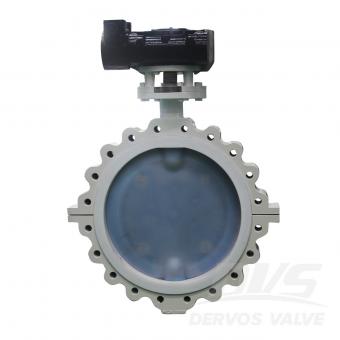
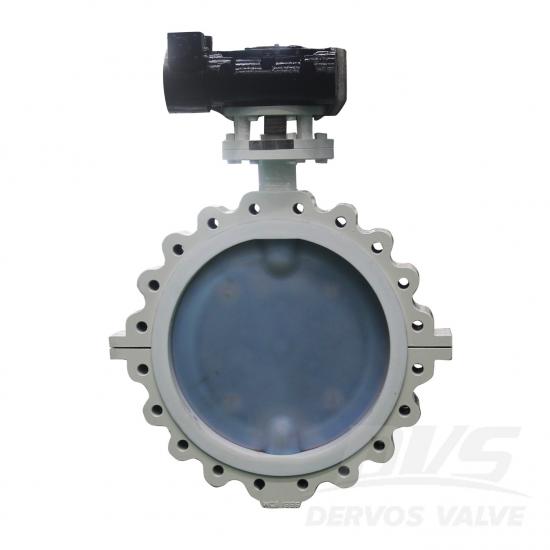
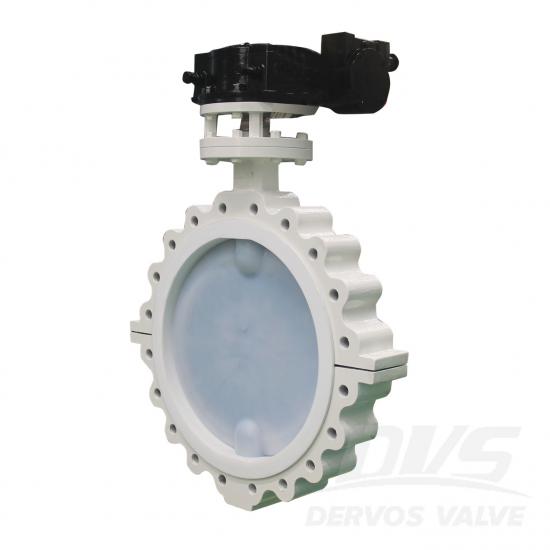
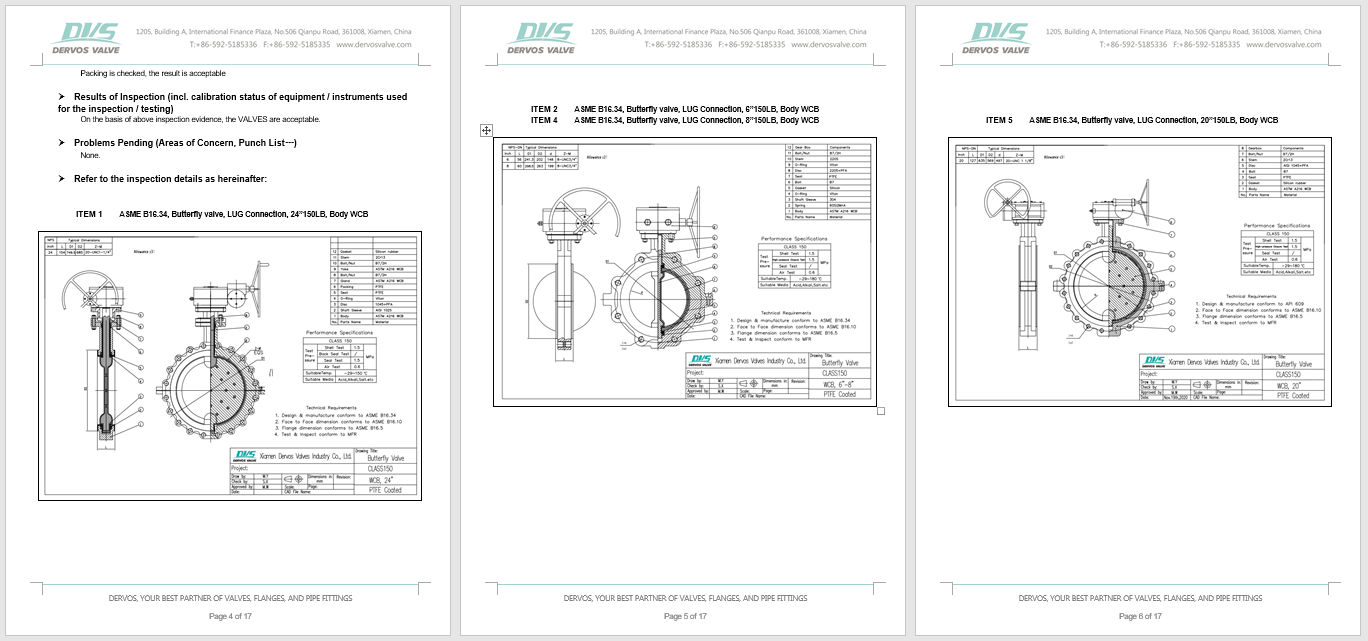
20" 150LB 버터플라이 밸브는 API 609 표준에 따라 만들어집니다. 밸브 본체는 WCB로 만들어집니다. 연결 모드는 Lug이며 터빈 작동 모드가 있습니다.
지불:
30% when order confirmed, 70% before shipment제품 원산지:
China색:
Customization배송 포트:
Shanghai, China리드 타임:
30~60 days Ex Works after order confirmationMaterial:
ASTM A216 WCBMethod of Operation:
Turbine Operation제품 설명
| 유형 |
나비 형 밸브 |
| 크기 |
20" |
| 압력 |
150파운드 |
| 연결 |
돌기 |
| 작업 |
터빈 작동 |
| 본체 재질 |
ASTM A216 WCB |
| 디자인 규범 |
API 609 |
| 정면으로 마주보는 차원 |
ASME B16.10 |
| 플랜지 치수 |
ASME B16.5 |
| 테스트 및 검사 코드 |
MFR |
| 온도 |
-29 ~ 180°C |
| 적용 가능한 매체 |
산, 알칼리, 소금 등 |
특징
1. 유지 보수 및 교체 및 비용 절감에 편리한 모듈 식 설계;
2. 누출을 효과적으로 제거하고 밸브가 최상의 밀봉 효과를 얻도록 합니다.
기술 도면
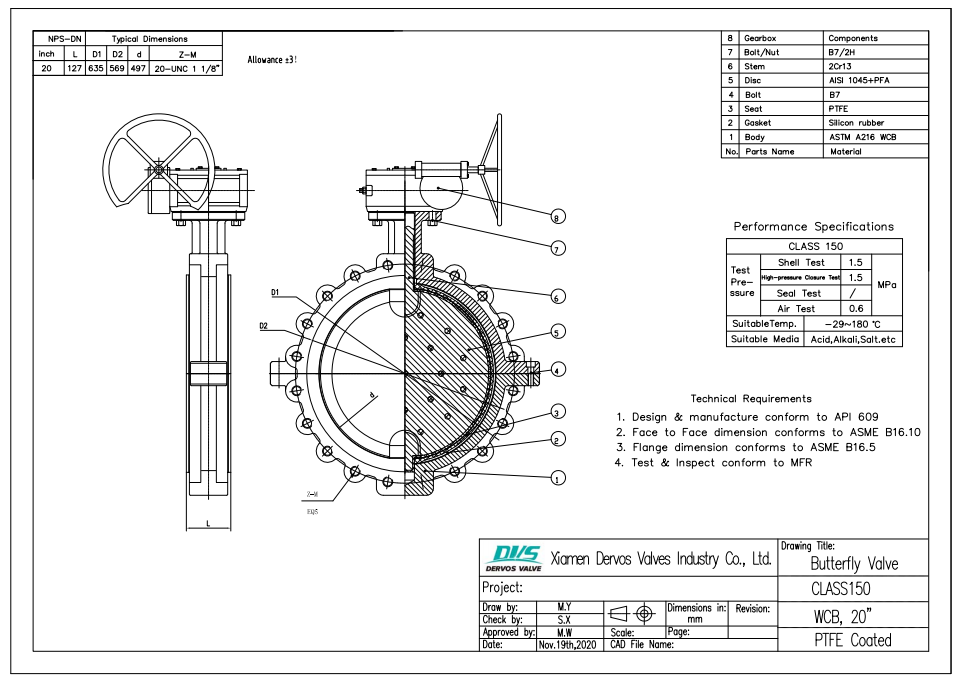
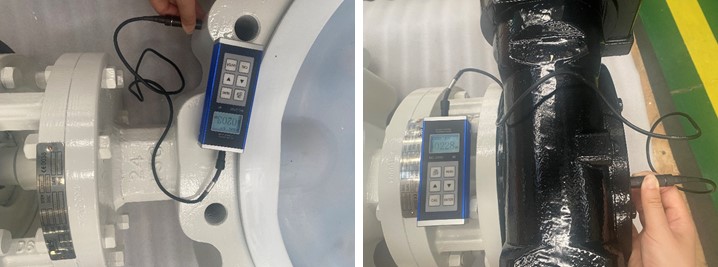
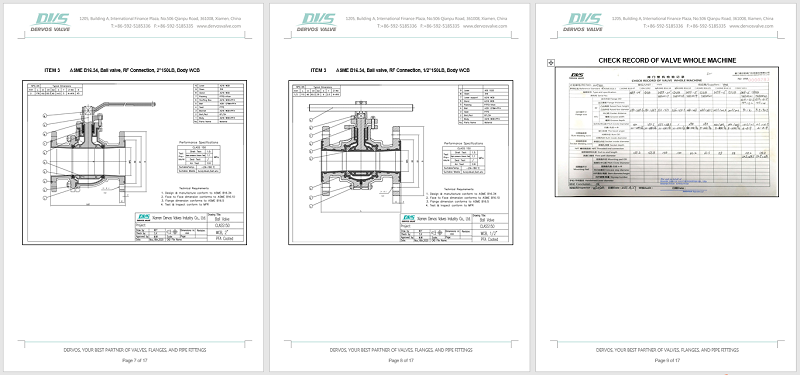
치수 확인
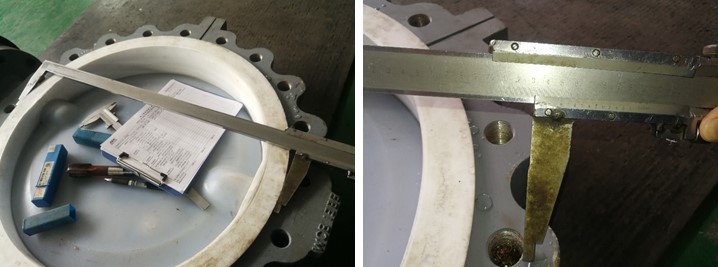
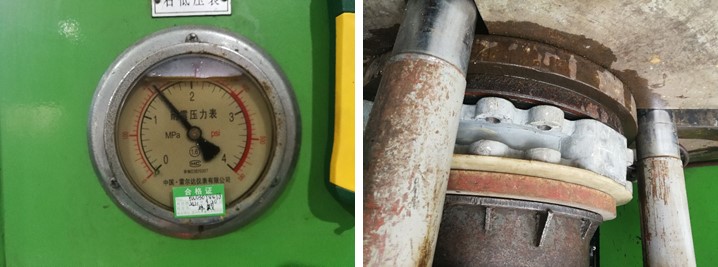
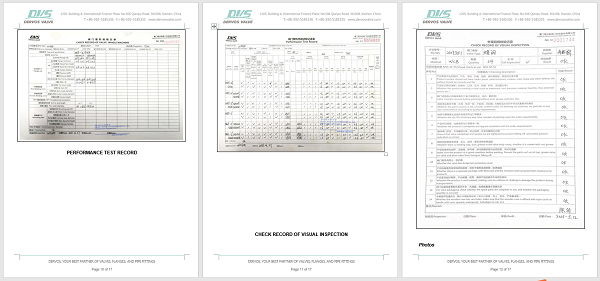
압력 테스트
그림
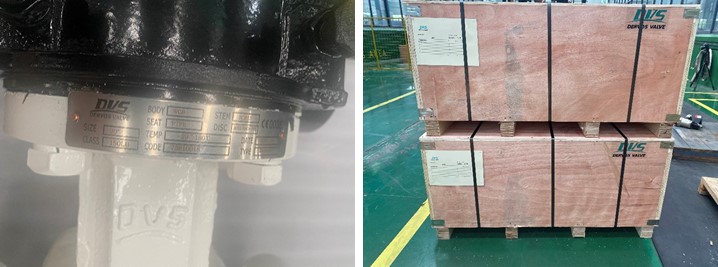
명판 및 포장
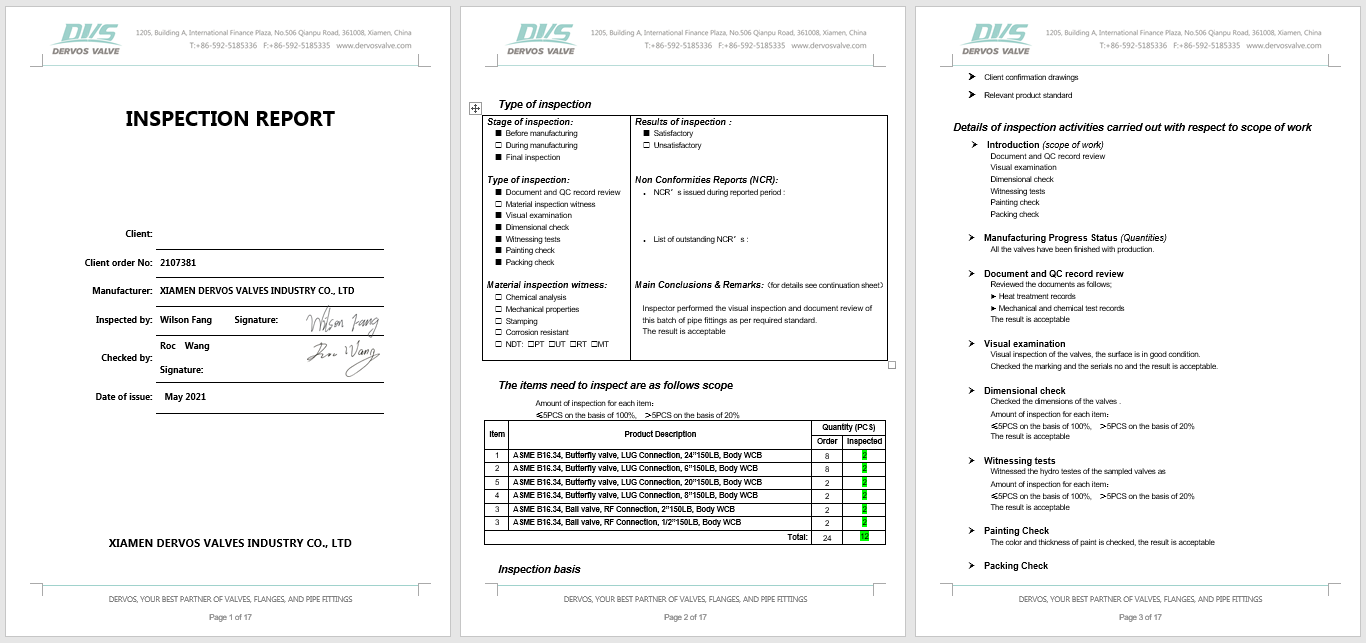
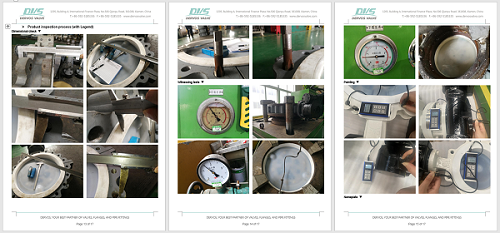
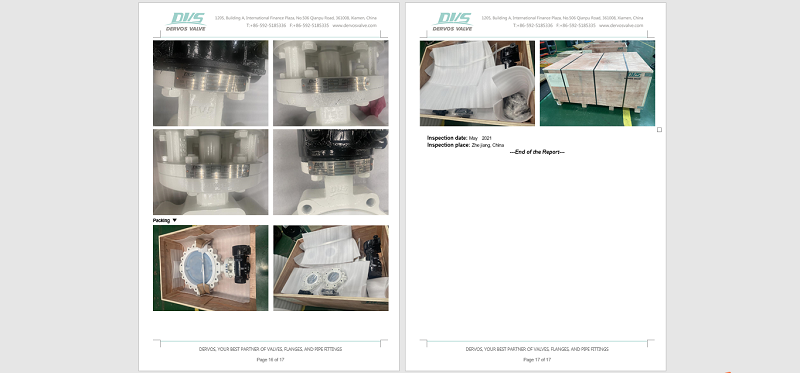
검사 보고서
에 관심이 있다면 우리의 제품과한 자세한 내용을 알고 싶다면,메시지를 남겨주십시오 여기,우리가 응답할 것입니다 당신은 빨리 우리가 할 수 있습니다.
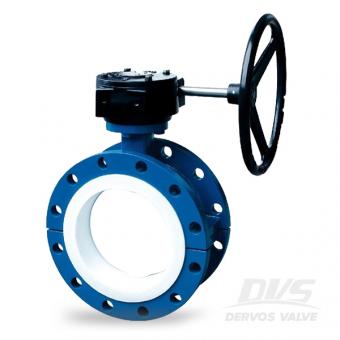
ptfe 완전 라이닝 버터 플라이 밸브는 주철 몸체와 기어 박스 작동 방식으로 제작됩니다. 14 인치 플랜지 밸브는 동심 형 구조로되어 있습니다. 빠른 세부 사항 유형 나비 판막 크기 14 인치 설계 압력 150 파운드 구성 동심 ptfe 안감 타입 연결 타입 더블 플랜지 조작 기어 움직이는 디자인 코드 API 609 면 대면 asmeb16.10 연결 종료 asmeb16.5 테스트 & amp; 검사 API 598 바디 재료 캐스트 철 ggg40 온도 범위 -15 ℃ ~ + 150 ℃ 신청 물, 석유 가스 관련 지식완전 라인 버터 플라이 밸브의 장점은 무엇입니까? 라이닝 버터 플라이 밸브의 주요 장점은 비교적 저렴한 비용으로 연마 성 및 부식성 어플리케이션을 처리 할 수 있다는 것입니다. ptfe 또는 pfa 플렉시블 시트는 누설이없는 밀봉 성능을 제공합니다. 또한, 늘어선 재료 ptfe는 강한 내식성, 안정적인 성능, 낮은 마찰 계수를 가지고있어 늘어선 버터 플라이 밸브의 수명이 길다. dervos는 원료의 품질을 어떻게 관리합니까?원료는 제품 품질에서 중요한 역할을합니다. 마찬가지로 주조 및 단조는 밸브 품질에 많은 영향을 미칩니다. 그래서 dervos는 파운드리에 많은 관심을 기울입니다. 우리는 파운드리의 승인 목록을 가지고 인증서, 규모, 프로세스 및 재료별로 분류합니다. 고객의 다양한 요구 사항을 충족시키기 위해 고객에게 적합한 파운드리를 지정할 수도 있습니다.
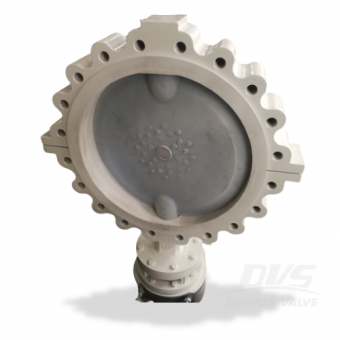
이 20 인치 버터 플라이 밸브는 플라스틱 라이닝 타입 1 개입니다. PFA 라이닝 디스크 및 해당 PTFE 시트 링은 우수한 내식성 성능을 가능하게합니다. 함께 기어 박스, 운전하기 쉽습니다.
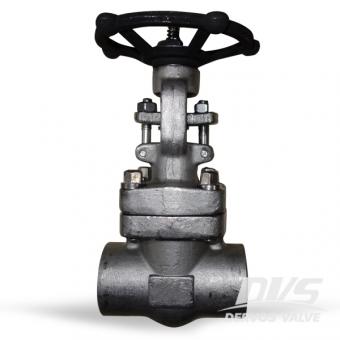
1 인치 800lb 게이트 밸브는 sw 및 핸드 휠 작동이 포함 된 API 602에 따라 설계되었습니다. 스테인리스 스틸 f316 게이트 밸브는 볼트로 고정 된 보닛, 외부 나사 및 요크 구조로되어 있습니다.
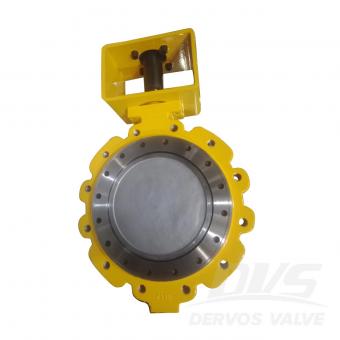
14" 150LB 버터플라이 밸브는 API 609 표준에 따라 만들어집니다. 밸브 본체는 WCB로 만들어집니다. 이중 편심 및 고성능의 구조적 특성을 가지고 있습니다. 연결 모드는 러그 유형이며 잠금 장치 작동 모드가 있는 터빈이 있습니다.

16" 150LB 이중 편심 버터플라이 밸브 트윈 API 609 표준에 따라 만들어졌습니다. 밸브 본체는 ASTM A216 WCB로 만들어졌습니다. 고성능 및 이중 편심의 구조적 특성을 가지고 있습니다. 두 개의 밸브가 하나의 웜 기어 헤드를 공유합니다. 연결 모드는 웨이퍼입니다. 그리고 터빈이 있어요 작동 모드.
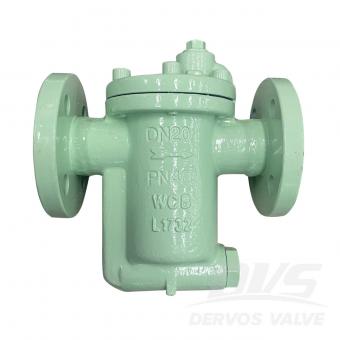
DN20 PN40 스팀 트랩 밸브는 GB/T22654-2008 표준에 따라 제작되었습니다. 밸브 본체는 WCB로 제작되었습니다. 인버티드 버킷 스팀트랩과 모델 L881F의 구조적 특징을 가지고 있습니다. 연결 모드는 RF입니다.
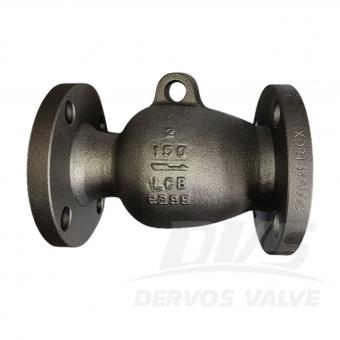
2인치 CL150 축류 체크 밸브는 API 6D 표준에 따라 제작되었습니다. 밸브 본체는 ASTM A352 LCB+316SS 재질로 제작되었으며, 축류의 구조적 특성을 가지고 있습니다. 연결 방식은 RF입니다.
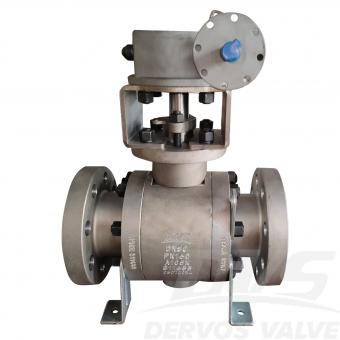
DN80 PN160 단조 플로팅 볼 밸브는 EN 12266 표준에 따라 제작되었습니다. 밸브 본체는 ASTM A105N 재질이며, 연결 방식은 LG(Long-to-Long)입니다. 또한 핸드휠이 장착되어 있습니다. 작동 모드. 제품 매개변수 유형 단조 플로팅 볼 밸브 크기 디나80 압력 PN160 연결 LG 작업 핸드휠 본체 재질 ASTM A105N 디자인 표준 ISO 14313 대면 제조사 연결 종료 LG 시험 및 검사 규정 EN 12266 온도 -29 ~ 120 °C 적용 가능한 매체 물, 석유 및 가스 특징 1. 단조 A105N 탄소강 본체는 PN160 고압 환경에서 탁월한 기계적 강도와 안정적인 성능을 보장합니다. 2. EN 12266 누출 등급 테스트를 거친 LG 플로팅 볼 밸브 설계는 완벽한 차단과 신뢰할 수 있는 밀봉 성능을 제공합니다. 기술 도면 치수 검사 압력 테스트
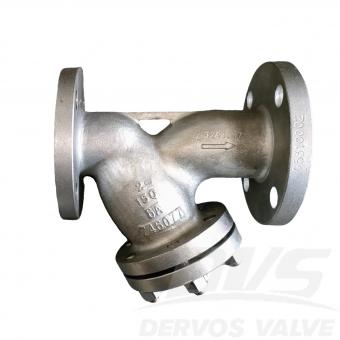
2인치 150LB 듀플렉스 스테인리스강 Y형 스트레이너는 ASME B16.34 표준에 따라 제작되었습니다. 밸브 본체는 A995 Gr.6A 재질이며, Y형 구조를 가지고 있습니다. 연결 방식은 RF입니다. . 제품 매개변수 유형 Y형 여과기 크기 2인치 압력 150파운드 연결 RF 본체 재질 A995 Gr.6A 디자인 표준 ASME B16.34 대면 ASME B16.10 플랜지 치수 ASME B16.5 시험 및 검사 규정 API 598 온도 -29 ~ 150 °C 적용 가능한 매체 물, 석유 및 가스 특징 1. 이중 스테인리스강 구조는 높은 강도와 뛰어난 내식성 및 내공식성을 제공합니다. 2. Y형 스트레이너 설계는 Class 150 배관 시스템에서 원활한 흐름을 유지하면서 효율적인 이물질 제거를 보장합니다. 기술 도면 치수 검사 압력 테스트 스펙트럼
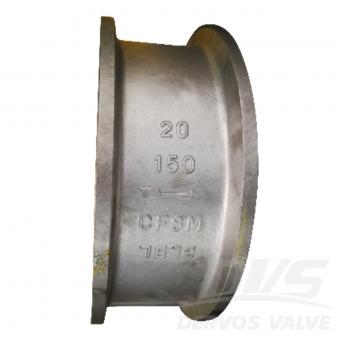
20" 150LB 웨이퍼 체크 밸브는 API594 표준에 따라 만들어집니다. 밸브 본체는 A351 CF8M으로 만들어집니다. 이중 플레이트 및 내장형 구조적 특징을 가지고 있습니다. 연결 모드는 웨이퍼 RF입니다.
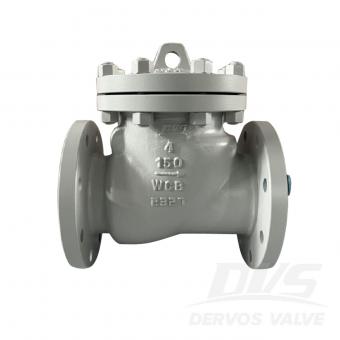
4" 150LB 체크 밸브는 BS1868 표준에 따라 만들어집니다. 밸브 몸체는 A216 WCB로 만들어집니다. 스윙 타입, 볼트 커버 및 교체 가능한 밸브 시트의 구조적 특성을 가지고 있습니다. 연결 모드는 RF입니다.
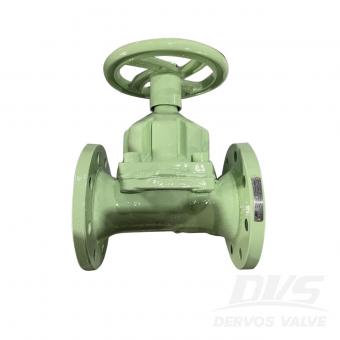
DN80 PN10 다이어프램 밸브는 BS 5156 표준에 따라 제작되었습니다. 밸브 본체는 WCB+ⅠⅠR로 제작됩니다. 다이어프램 밸브 G46의 구조적 특성을 가지고 있습니다. 연결 모드는 RF입니다. 그리고 핸드 휠 작동 모드가 있습니다.