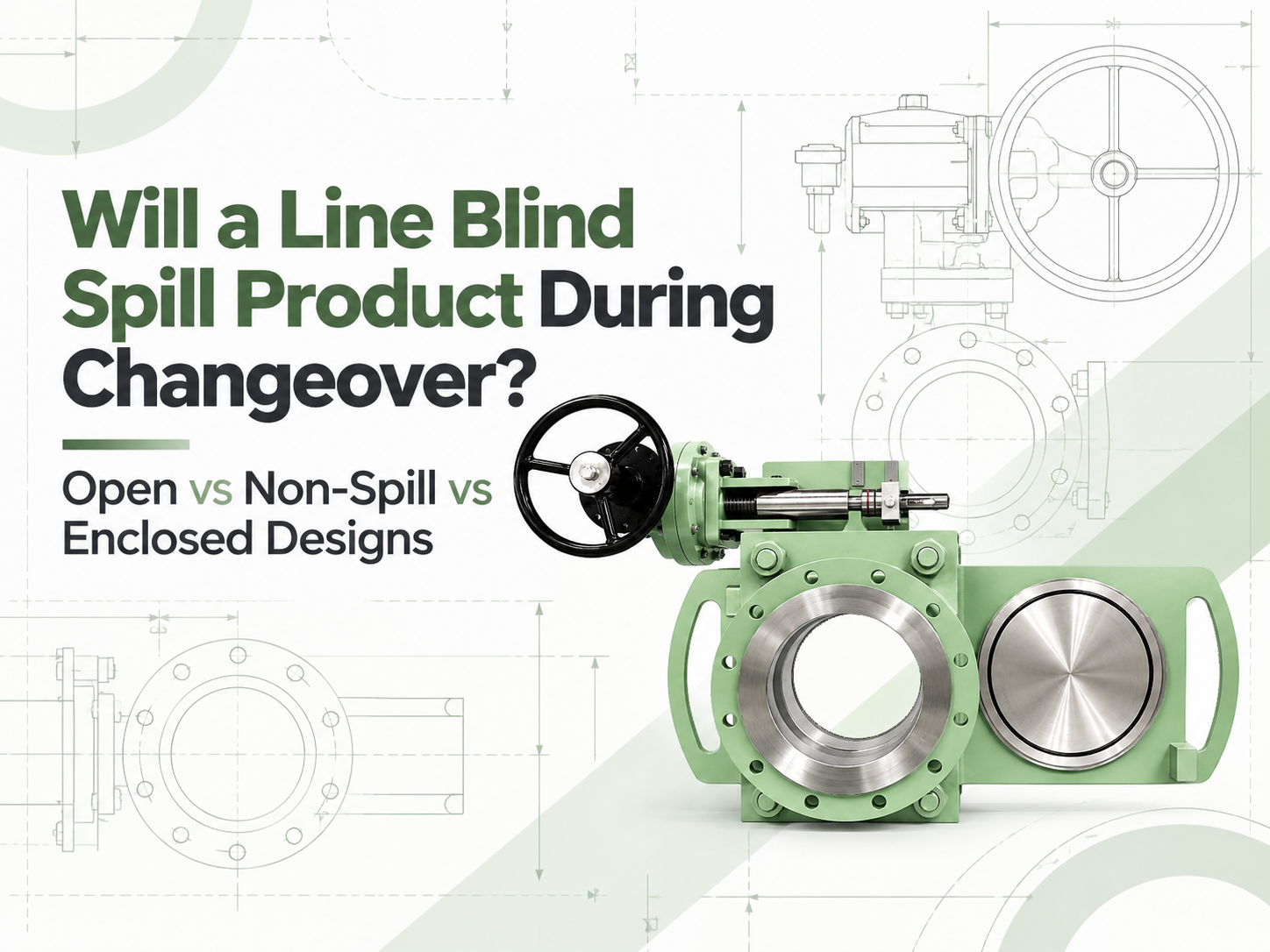
Yes, an open-body line blind can release residual product when it changes between the open and blind positions. A non-spill design does not make that residue disappear; it catches the liquid in a partial enclosure and directs it to a drain. An enclosed design can provide better control of liquid and vapour, but only when its housing, drain, vent and purge connections are engineered for the service. None of these labels should be read as permission to move the blind under live line pressure. Why Product Can Escape During Changeover When a line blind is fully clamped, its seals contain the process and the solid plate provides positive isolation in the blind position. Changeover is different. The sealing faces must separate before the spectacle or sliding plate can move. During that interval, the body cavity and plate path may be open to the surrounding area. The line should already be isolated, depressurised and drained, but “drained” rarely means perfectly dry. Liquid can remain as a film on the plate, collect in the lower body, or sit in a poorly drained pipe pocket. Gas service may leave flammable, toxic or odorous vapour. The amount released therefore depends as much on piping layout and the shutdown procedure as on the line blind itself. The Three Designs Manage Residue Differently Open-body design Residual liquid can drip from the exposed plate path into a temporary tray or the work area, while vapour disperses locally. This arrangement can suit water, steam condensate or other manageable media where easy access and visual inspection matter. It presents the highest potential for floor contamination and operator exposure. Non-spill design A bottom-and-side cover catches drips and sends them to a drain or recovery container; the top may remain open. This design is commonly considered for fuel terminals, marine service and liquid duties where ground or deck contamination must be controlled. It reduces dripping but may not contain vapour, and a blocked drain defeats its purpose. Enclosed design A housing surrounds more or all of the plate travel and may connect to a closed drain, purge, vent, flare or vapour-recovery system. It is better suited to toxic, flammable, odorous or environmentally sensitive service requiring controlled containment. The tradeoff is greater complexity in purging, inspection and maintenance, together with the need to manage trapped pressure deliberately. These names are not perfectly standardised across manufacturers. One supplier's “non-spill” model may be open at the top, while another product described as enclosed may use a more complete casing. The RFQ should show the enclosure arrangement and identify every opening rather than relying on the product name. Non-Spill Does Not Automatically Mean Zero Release For a liquid with low volatility, catching the remaining drops and routing them into a closed contai...
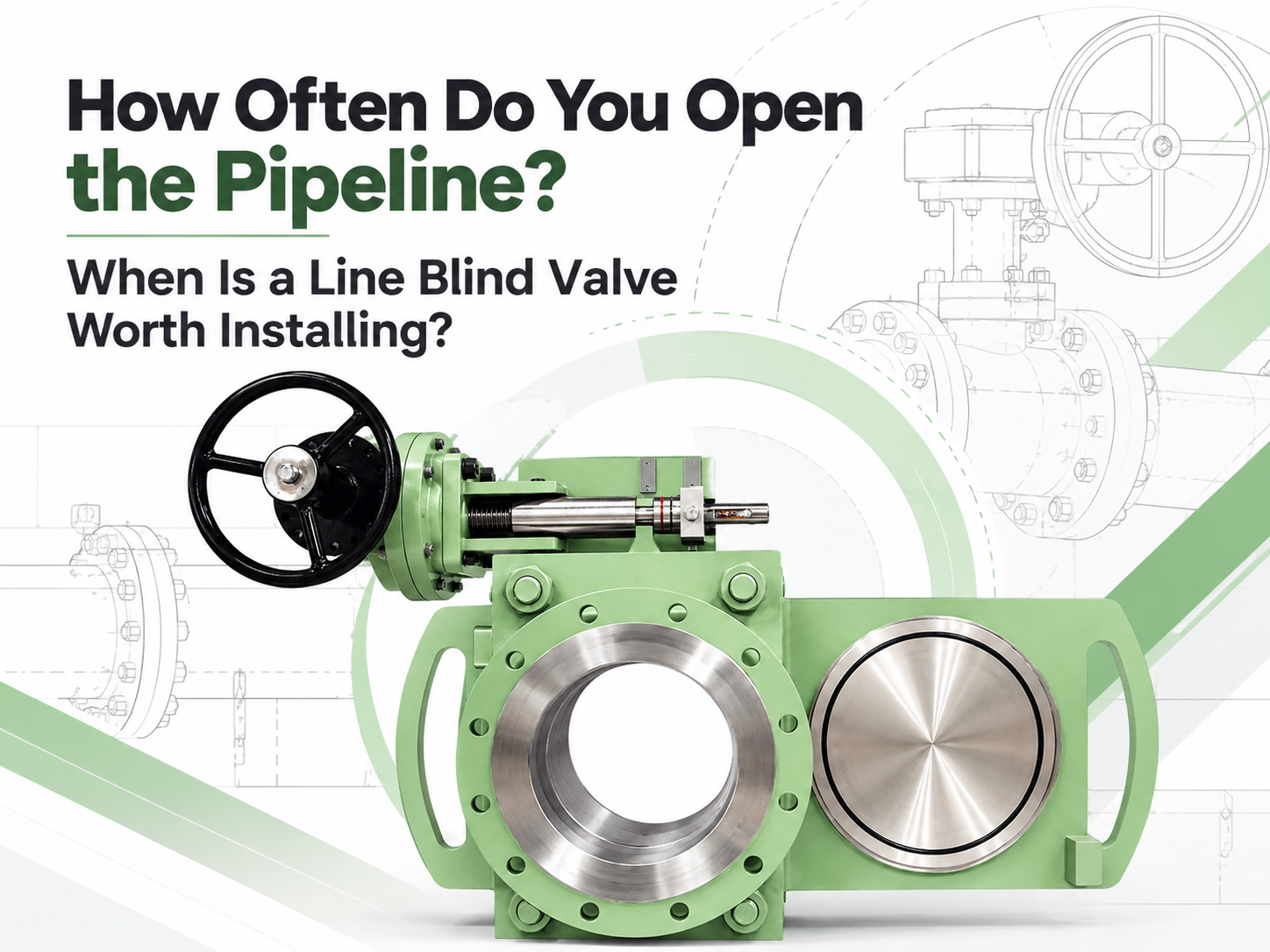
라인 블라인드 밸브는 파이프라인을 연간 여러 번 차단해야 하거나, 기존의 전환 작업으로 인해 수 시간의 가동 중단, 인양 작업 또는 유해 잔류물에 대한 상당한 노출이 발생하는 경우 평가해 볼 가치가 있습니다. 투자 회수를 보장하는 만능 작동 횟수 기준은 없습니다. 연간 두 번 작동하는 대형 중요 라인은 투자가 정당화될 수 있는 반면, 월 단위로 작동하는 소형의 접근이 쉬운 라인은 그렇지 않을 수 있습니다. 이 결정은 빈도만이 아니라 각 완전 격리 이벤트의 비용과 리스크를 기반으로 이루어져야 합니다. ‘연간 2회 작동’이라는 표준 규칙은 없습니다 일부 공급업체는 연간 1~2회의 전환을 스크리닝 임계값으로 사용합니다. 이는 논의의 시작점이 될 수는 있지만 엔지니어링 규칙은 아닙니다. 빈도는 DN50 유틸리티 라인과 DN600 공정 가스 메인 라인에서 매우 다른 결과를 가져옵니다. 사전 검토를 위해 다음 대역은 필수가 아니지만 유용합니다: 차단 빈도 초기 해석 주요 정비(턴어라운드)당 1회 이하 분리형 블라인드 또는 스펙터클 블라인드가 경제적인 경우가 많습니다. 연간 1~3회 인건비, 인양, 중단 시간 및 매체 리스크를 신중하게 비교하십시오. 분기별 내지 월별 A 퀵액션 라인 블라인드(은)는 일반적으로 강력한 후보입니다. 주간 또는 더 빈번함 목적에 맞게 제작되거나 자동화된 격리는 상세한 검토가 필요하며, 라인 블라인드가 요구되는 사이클 작업에 적합한지 확인해야 합니다. 모든 작업에 비계, 크레인, 여러 명의 배관공 또는 오랜 생산 중단이 필요한 경우, 낮은 작동 빈도에서도 설치를 뒷받침할 수 있습니다. 반대로, 공정이 압력, 온도, 재질 또는 유지보수 요구 사항을 수용할 수 없는 경우 잦은 작동이라도 라인 블라인드를 정당화하지 못합니다. 완전한 전환 작업 횟수 산정 전통적인 블라인딩 작업은 단순히 판을 이동하는 것 이상입니다. 라인이 안전해진 후 작업자들은 볼트를 풀고, 플랜지 조인트를 벌리고, 블라인드 또는 스페이서를 다루고, 개스킷을 교체하고, 정렬을 복원하고, 조인트를 조이고 누출 점검을 완료합니다. 대형 규격의 경우 리깅 및 접근 장비가 추가됩니다. 퀵액션 라인 블라인드는 설치된 어셈블리 내부에 스펙터클 또는 슬라이딩 플레이트가 지지된 상태를 유지합니다. 제조업체 문헌에 따르면 기존 플랜지 작업에 필요한 맨아워(man-hour) 대신 몇 분 만에 1명이 전환 작업을 수행할 수 있다고 흔히 보고됩니다. 이러한 수치는 스크리닝에 유용하지만, 프로젝트 계산에는 플랜트 자체의 절차
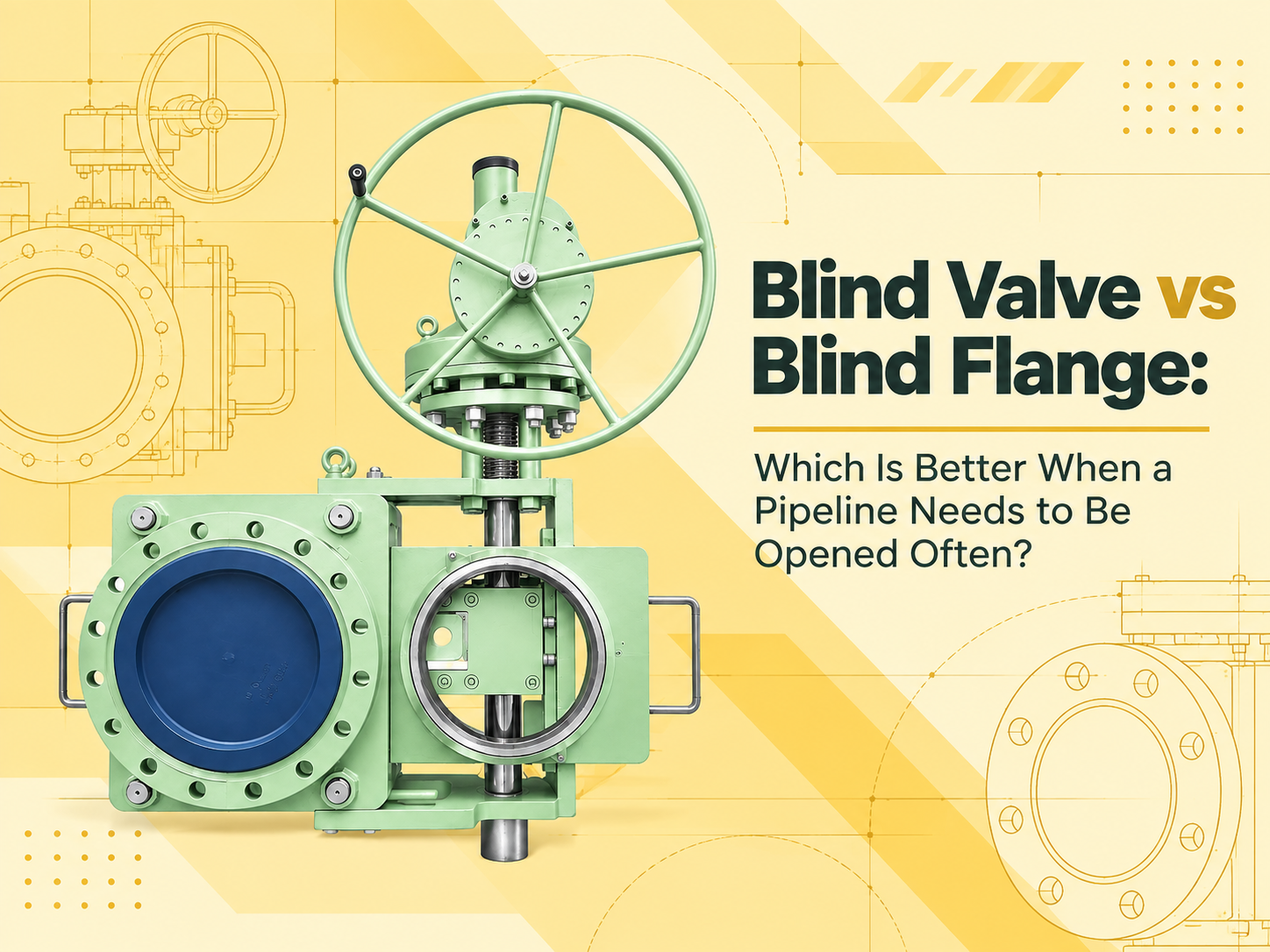
파이프라인을 자주 개방하고 확실하게 차단해야 하는 경우, 라인 블라인드 밸브가 일반적으로 더 나은 선택입니다. 이 밸브는 블라인드 메커니즘을 영구적으로 설치된 상태로 유지하며, 작업자가 볼트로 고정된 끝단 마개를 반복적으로 제거할 필요 없이 개방 위치와 차단 위치를 전환할 수 있게 해줍니다. 블라인드 플랜지는 비용이 저렴하고 움직이는 부품이 적지만, 장기간 닫힌 상태로 유지될 파이프 끝을 막는 데 더 적합합니다. 이 답변은 “블라인드 플랜지”가 파이프나 노즐 끝에 볼트로 고정된 단단한 플랜지를 의미한다고 가정합니다. 두 플랜지 사이에 설치되는 스펙터클 블라인드나 탈착식 스페이드는 유사한 고체 금속 차단 장벽을 형성하지만, 이는 다른 장치입니다. 잦은 개방은 비용 계산을 변화시킵니다 구매 가격 면에서는 블라인드 플랜지가 유리합니다. 구조가 단순하고 유지보수는 주로 플랜지 면, 개스킷, 스터드 및 너트를 점검하는 것으로 제한됩니다. 가끔 있는 정기 보수 기간에만 마개를 제거한다면, 이러한 단순함을 능가하기는 어렵습니다. 반복적인 개방은 상황을 바꿉니다. 블라인드 플랜지를 제거하려면 라인을 차단하고, 압력을 낮추고, 배수 또는 퍼지 작업을 수행한 뒤 안전을 확인해야 합니다. 그런 다음 볼트를 풀고, 플랜지를 지지하고, 밀봉 면을 분리해야 합니다. 더 큰 플랜지의 경우 리프팅 장비가 필요할 수 있습니다. 재조립 시에는 새 개스킷을 사용하고, 볼트를 제어된 방식으로 조이며, 누출 테스트를 수행해야 합니다. 이러한 단계 중 특별한 것은 없지만, 이를 반복하면 저비용 부품이 노동 집약적인 운영 방식으로 변하게 됩니다. 라인 블라인드 밸브 역시 승인된 설계 및 운영 절차에 별도의 명시가 없는 한, 위치를 변경하기 전에 라인을 차단하고 압력을 낮춰야 합니다. 이 밸브의 장점은 기계적 취급에 있습니다. 플레이트, 스페이서 또는 슬라이딩 요소가 본체 내에 고정되어 있으며, 메커니즘이 밀봉 면을 분리, 이동 및 재고정합니다. 수동 기어는 적절한 작동 힘에 적합할 수 있으며, 대형 사이즈나 원격 작동의 경우 전기, 공압 또는 유압 구동 방식이 정당화될 수 있습니다. 블라인드 밸브는 취급을 줄여주지만 유지보수할 장비를 추가합니다 잦은 전환의 경우, 블라인드 밸브는 작업을 단축하고 무거운 플레이트, 볼트 및 개스킷의 반복적인 취급을 줄일 수 있습니다. 개방 또는 폐쇄 위치는 일반적으로 외부 플레이트나 위치 표시기를 통해 확인할 수 있어 현장 검증에 도움이 됩니다. 또í•
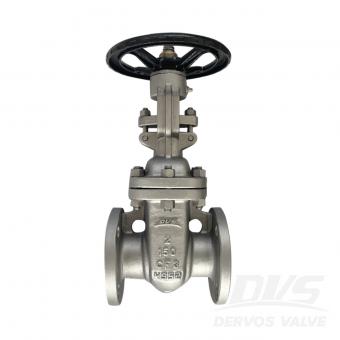
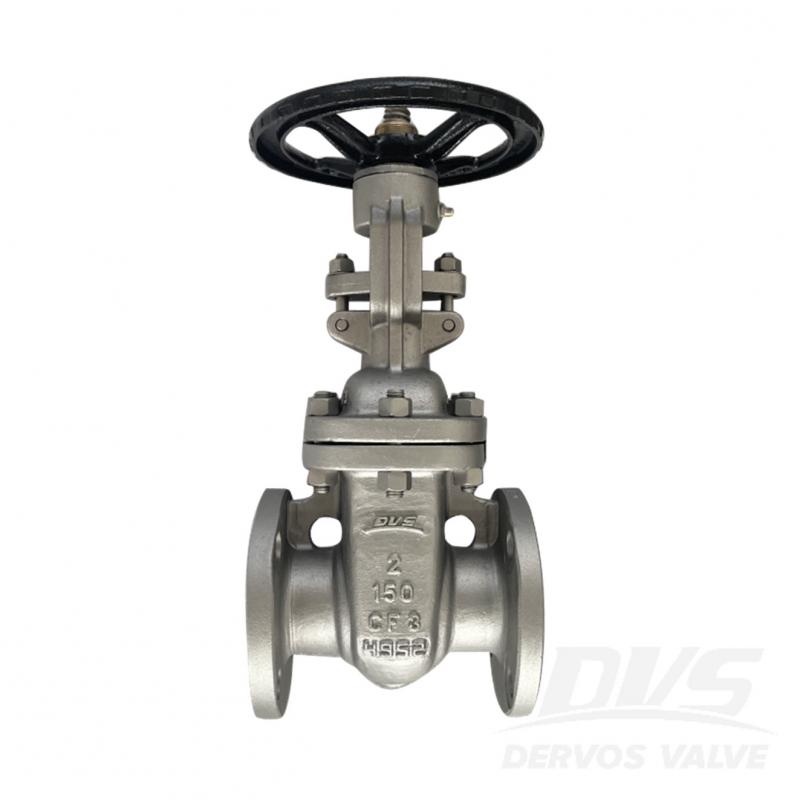
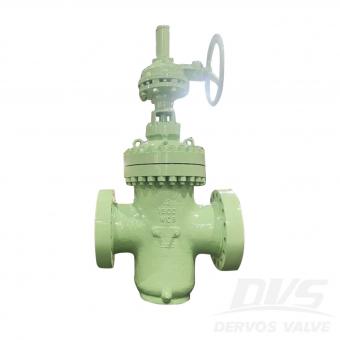
2" 150LB 게이트 밸브는 API에 따라 제작됩니다. 600 표준. 밸브 본체는 A351 CF3으로 만들어졌습니다. 그것은 구조적 볼트 커버, 라이징 스템 브라켓의 특징. 연결 모드는 RF입니다. 그리고 핸드휠 작동 모드가 있습니다.
지불:
30% when order confirmed, 70% before shipment제품 원산지:
China색:
Customization배송 포트:
Shanghai, China리드 타임:
30~60 days Ex Works after order confirmationMaterial:
A351 CF3Method of Operation:
Handwheel제품 설명
|
유형 |
문 판막 |
|
크기 |
2" |
|
압력 |
150LB |
|
연결 |
RF |
|
작업 |
핸드휠 |
|
몸 재료 |
A351 CF3 |
|
설계 표준 |
API 600 |
|
얼굴 면차원으로 |
ASME B16.10 |
|
끝 연결 |
ASME B16.5 RF |
|
시험 및 검사 코드 |
API 598 |
|
온도 |
-29 ~ 425°C |
|
해당되는 중간 |
물, 석유 및 가스 |
특징
1. 조밀한 구조, 간단한 구조, 조밀한 외관, 쉬운 조립 및 안정적인 작동;
2. 유연한 스위치, 쉬운 열고 닫는 작업.
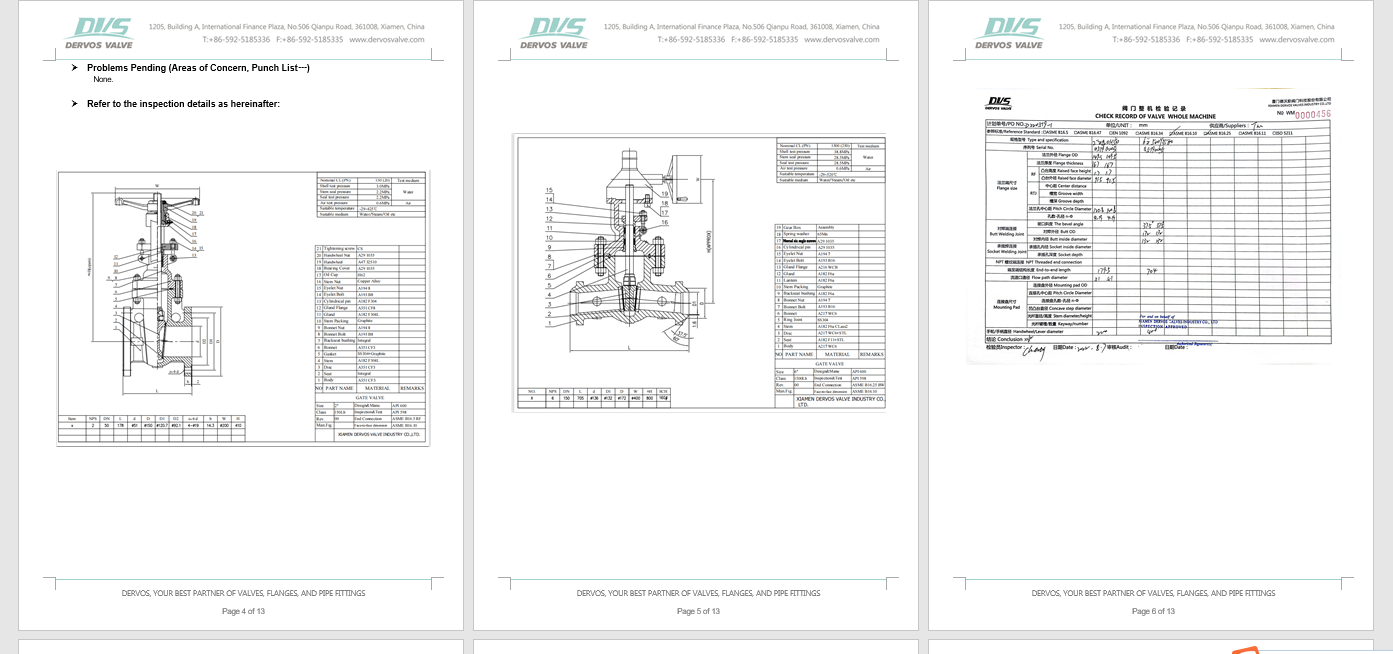
기술도면
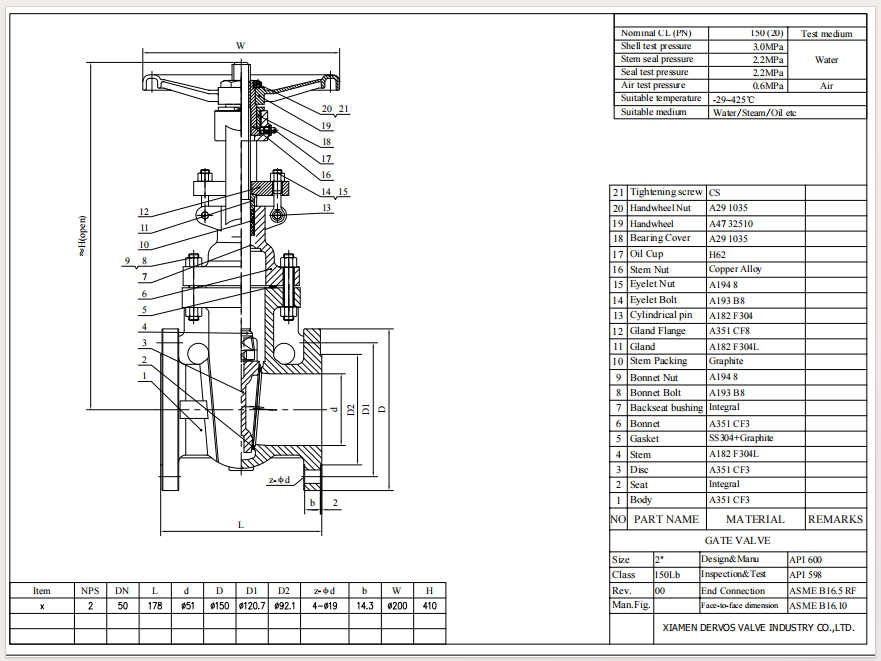
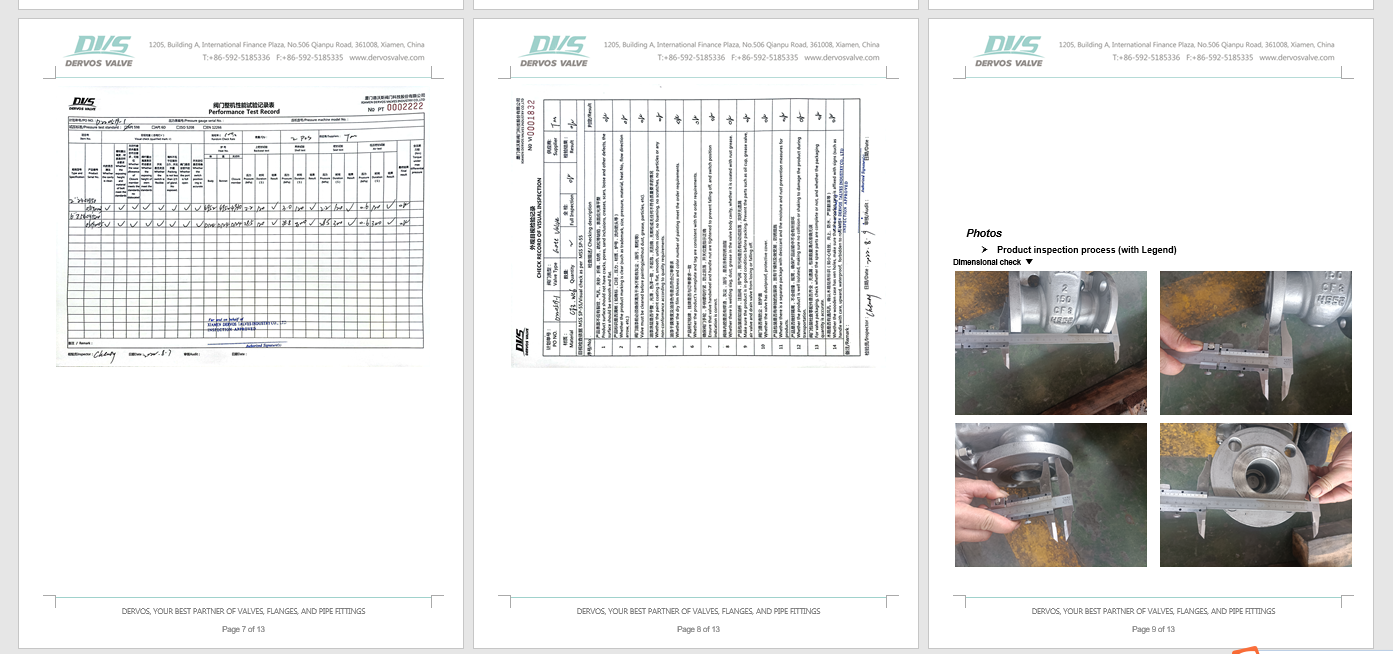
치수 확인

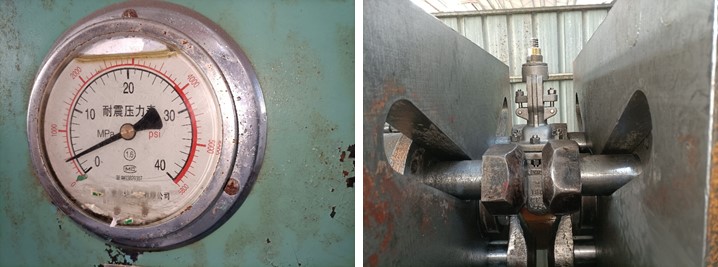
압력 테스트
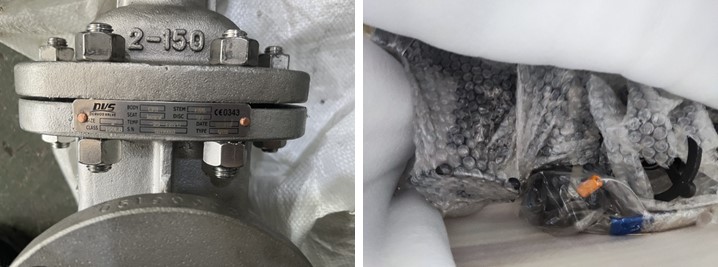
명판 및 포장
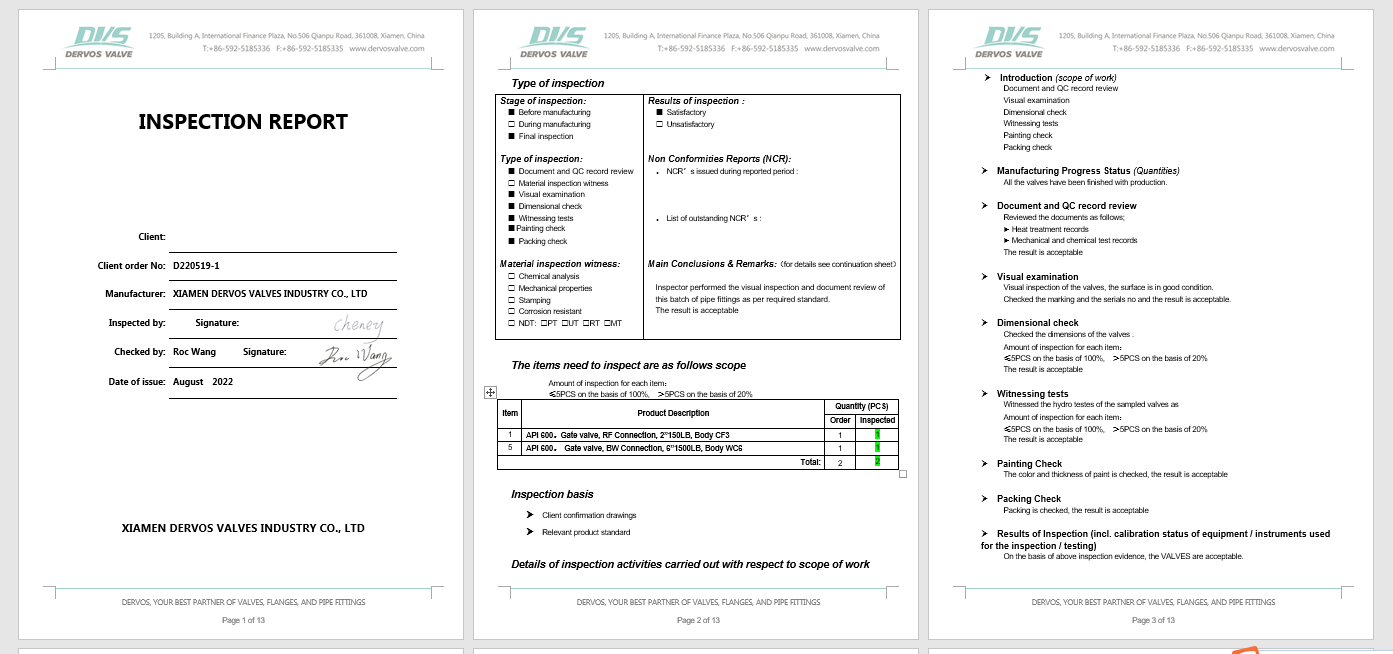
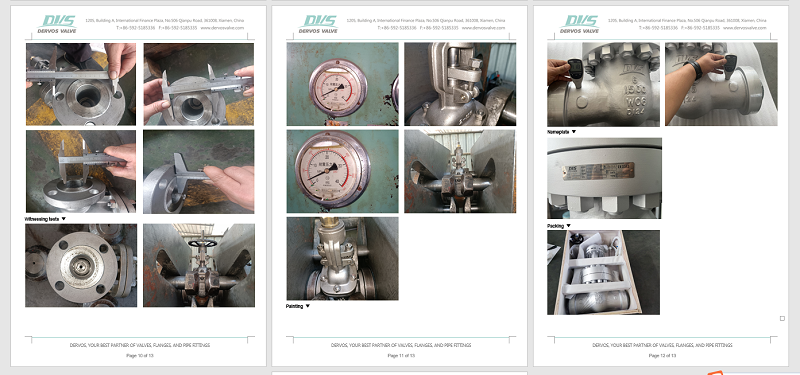
검사보고서
에 관심이 있다면 우리의 제품과한 자세한 내용을 알고 싶다면,메시지를 남겨주십시오 여기,우리가 응답할 것입니다 당신은 빨리 우리가 할 수 있습니다.
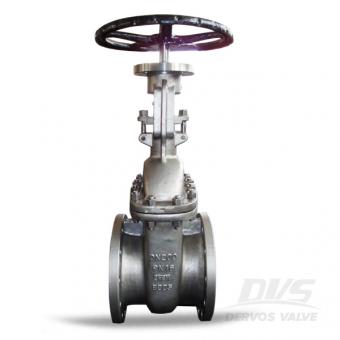
스테인레스 스틸 CF8M 게이트 밸브는 DIN 3352에 따른 플랜지 연결 및 핸드휠 작동으로 설계되었습니다. PN16 DN200 풀 포트 게이트 밸브는 OS&Y 구조, 탄력 있는 웨지 및 교체 가능한 시트를 갖추고 있습니다. 설계사양 설계 및 제조: DIN 3352 종단 간 차원: DIN3202 플랜지 끝: EN1092-1 테스트 및 검사: EN12266-1/2 디자인특징 -풀 보어 디자인 -우수한 유량 및 작은 마찰 손실 -밸브 개폐 토크 값이 낮음 -더 나은 착석감과 간편한 작동을 위한 유연한 웨지 -매끄러운 마감과 시트면의 우수한 밀봉성 - 모든 밸브는 추적성을 위해 몸체에 특정 번호로 제조됩니다. 빠른 세부정보 유형 문 판막 크기 DN 200 압력 PN 16 건설 볼트로 고정됨 보닛, 라이징 스템, 외부 나사 및 요크 연결 플랜지 연결 작업 핸드휠 본체 재질 스테인레스 스틸 CF8M 재료 다듬기 스테인레스 스틸 온도 범위 -268…~+648… 중간 물, 석유 및 가스 기원 중국 더보스 포장 포장은 결코 무시할 수 없는 중요한 부분입니다. Dervos는 주문의 안전하고 명확한 배송을 보장하기 위해 각 주문에 대한 포장 프로세스를 갖추고 있습니다.
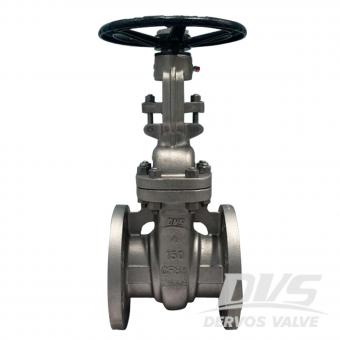
4" 150LB 게이트 밸브는 API에 따라 제작됩니다. 603 표준. 밸브 본체는 ASTM A351 CF8M+STL로 만들어졌습니다. 그것은 볼트 커버, 탄성 쐐기 및 라이징 스템의 구조적 특성. 그것은 테스트 및 검사는 API 598을 준수하며, 작동 모드는 핸드휠 작동입니다.
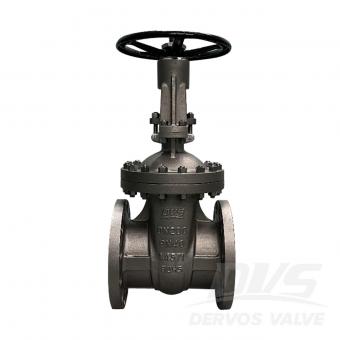
DN200 PN40 게이트 밸브는 EN1984에 따라 제작되었습니다. 기준. 밸브 몸체는 1.4571+STL로 제작되었습니다. 그것은 구조적 볼트 커버, 탄성 게이트, 라이징 스템 및 브라켓의 특징. 그것의 연결 모드는 EN1092-1/B입니다. 그리고 핸드 휠 작동 모드가 있습니다.
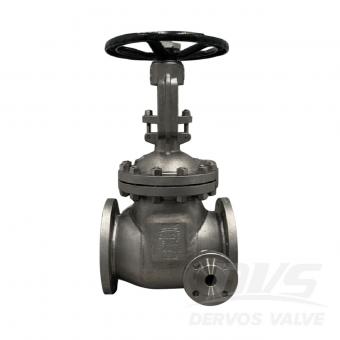
DN125 PN16 게이트 밸브는 DIN에 따라 제작됩니다. 3352 표준. 밸브 몸체는 1.4408로 만들어졌습니다. 그것은 구조적 SS316을 사용한 볼트 커버, 라이징 스템, 탄성 웨지의 특성 절연 재킷 및 구조 길이 325mm. 연결 모드는 RF입니다. EN1092-1 B1. 그리고 핸드 휠 작동 모드가 있습니다.
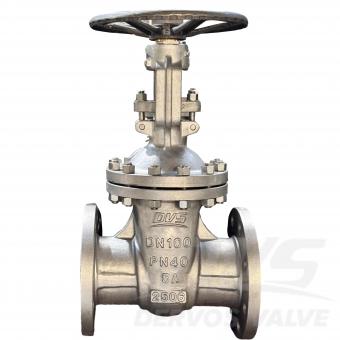
DN100 PN40 5A 듀플렉스 스테인리스 스틸 게이트 밸브는 EN 1984 표준에 따라 제작되었습니다. 밸브 본체는 ASTM A995 5A+STL 규격으로 제작되었습니다. 풀 보어(Full Bore), 볼트 체결 보닛, 요크가 있는 라이징 스템(Rising Stem), 플렉시블 웨지(Flexible Wedge) 구조의 특징을 가지고 있습니다. 연결 방식은 EN1092-1 B1이며, 핸드 휠 작동 방식을 채택했습니다.
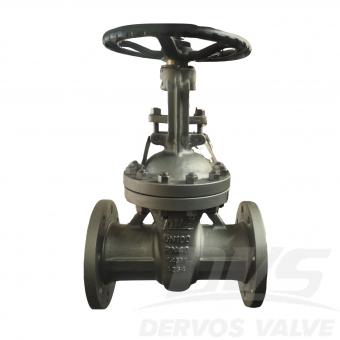
DN100 PN40 스테인리스 스틸 게이트 밸브는 EN 1984 표준에 따라 제작되었습니다. 밸브 본체는 X6CrNiMoTi17-12-2 재질로 만들어졌습니다. EN 1.4571(AISI 316Ti)은 입계 부식 및 중간 정도의 염화물 부식에 대한 저항성이 요구되는 중온 및 고온 환경, 특히 용접 후 열처리가 없는 용접 시스템에 널리 사용됩니다. 연결 방식은 EN558이며, 핸드휠이 장착되어 있습니다. operation mode. Product Parameters Type Stainless Steel Gate Valve Size DN100 Pressure PN40 Connection EN 558 Operation Hand Wheel Body Material X6CrNiMoTi17-12-2 Design Norm EN 1984 Face to Face dimension EN 1092 End connection EN 558 Test & Inspection Code EN 12266-1,2 Temperature -29 ~ 425°C Applicable Medium Water, Oil and Gas Features 1.Made from EN 1.4571 stainless steel, offering excellent corrosion resistance and high-temperature stability for PN40 pressure applications. 2.Gate valve design compliant with EN 1984 ensures reliable shutoff and long service life in industrial piping systems. Technical Drawing Dimension Checking Pressure Testing Spectrum Nameplate & Packing
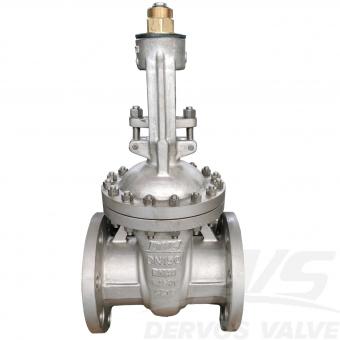
DN150 PN40 스테인리스 스틸 게이트 밸브는 EN 1984 표준에 따라 제작되었습니다. 밸브 본체는 X6CrNiMoTi17-12-2 재질로 만들어졌습니다. EN 1.4571(AISI 316Ti)은 입계 부식 및 중간 정도의 염화물 부식에 대한 저항성이 요구되는 중온 및 고온 환경, 특히 용접 후 열처리가 없는 용접 시스템에 널리 사용됩니다. 연결 방식은 EN558이며, 핸드휠이 장착되어 있습니다. operation mode. Product Parameters Type Stainless Steel Gate Valve Size DN150 Pressure PN40 Connection EN 558 Operation Hand Wheel Body Material X6CrNiMoTi17-12-2 Design Norm EN 1984 Face to Face dimension EN 1092 End connection EN 558 Test & Inspection Code EN 12266-1,2 Temperature -29 ~ 425 °C Applicable Medium Water, Oil and Gas Features 1.EN 1.4571 stainless steel construction provides strong resistance to pitting and stress corrosion in aggressive media. 2.DN150 PN40 configuration designed to EN 1984 standard ensures stable operation and tight isolation in medium-pressure pipelines. Technical Drawing Dimension Checking Pressure Testing Spectrum Nameplate & Packing
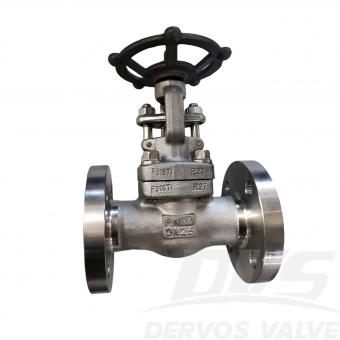
DN25 PN40 플랜지 게이트 밸브는 API602 표준에 따라 제작되었습니다. 밸브 본체는 A182-F316Ti 재질이며, 연결 방식은 EN1092-1 B1입니다. 또한 핸드휠이 장착되어 있습니다. 작동 모드. 제품 매개변수 유형 스테인리스 스틸 게이트 밸브 크기 디나25 압력 PN40 연결 EN1092-1 B1 작업 핸드휠 본체 재질 A182-F316Ti 디자인 표준 API 602 플랜지 치수 EN 1092 재질 적합 AISI/ASTM 시험 및 검사 규정 EN 12266 온도 -29 ~ 120 °C 적용 가능한 매체 물, 석유 및 가스 특징 1. F316Ti 스테인리스강 본체는 입자간 부식 및 고온 환경에 대한 저항성을 향상시킵니다. 2. API 602 규격에 따라 설계된 DN25 PN40 게이트 밸브와 EN1092-1 B1 플랜지는 공정 파이프라인에서 안정적인 작동과 완벽한 차단을 보장합니다. 기술 도면 치수 검사 압력 테스트 스펙트럼 검사 보고서
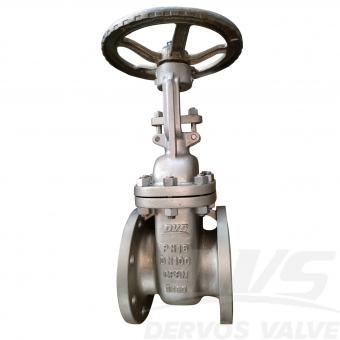
DN100 PN16 스테인리스 스틸 게이트 밸브는 DIN 3352 표준에 따라 제작되었습니다. 밸브 본체는 A351 CF8M+STL 재질이며, 볼트식 보닛, 라이징 스템, 플렉시블 웨지 등의 구조적 특징을 가지고 있으며, 면간 거리는 DIN 3202-F4 규격을 준수합니다. 연결 방식은 RF 방식이며, 핸들이 포함되어 있습니다. 작동 모드. 제품 매개변수 유형 스테인리스 스틸 게이트 밸브 크기 디나100 압력 PN16 연결 RF 작업 핸들 본체 재질 A351 CF8M+STL 디자인 표준 DIN 3350 대면 소음 3202-F4 플랜지 치수 EN 1092-1 시험 및 검사 규정 EN 12266 온도 - 29 ~ 425 °C 적용 가능한 매체 물, 석유 및 가스 특징 1. 상승형 스템 스테인리스 스틸 게이트 밸브 설계로 정밀한 유량 제어와 완벽한 차단 기능을 보장합니다. 2. PN16 등급에 RF 플랜지가 장착되어 있으며 DIN 3352 규격을 준수하고, 손잡이로 조작하여 손쉽게 제어할 수 있습니다. 기술 도면 치수 검사 압력 테스트 그림 명판 및 포장 검사 보고서
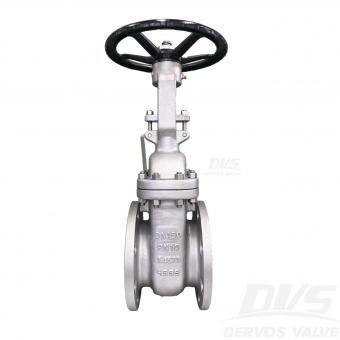
DN150 PN10 스테인리스 스틸 게이트 밸브는 EN 1984 표준에 따라 제작되었습니다. 밸브 본체는 1.4571 재질로 만들어졌습니다. 볼티드 본넷, 상승 스템, 플렉시블 웨지의 구조적 특성을 가지고 있습니다. 연결 방식은 EN 1092-1입니다. 그리고 핸드휠을 가지고 있습니다.작동 모드. 제품 매개변수 유형 스테인리스 스틸 게이트 밸브 크기 DN150 압력 PN10 연결 EN 1092-1 작동 핸드휠 본체 재질 1.4571+STL 설계 규격 EN 1984 면간 거리 DIN 3202-F4 플랜지 치수 EN 1092-1 D 테스트 및 검사 규격 EN 12266 온도 -46 ~ 200°C 적용 유체 물, 오일 및 스팀 특징 1. 스테인리스 스틸 1.4571 구조는 까다로운 산업용 애플리케이션에 뛰어난 내식성을 제공합니다. 2. 게이트 밸브 설계는 안정적인 차단 서비스를 위한 EN 1984 요구 사항을 준수합니다. 치수 검사 압력 테스트 명판 및 포장