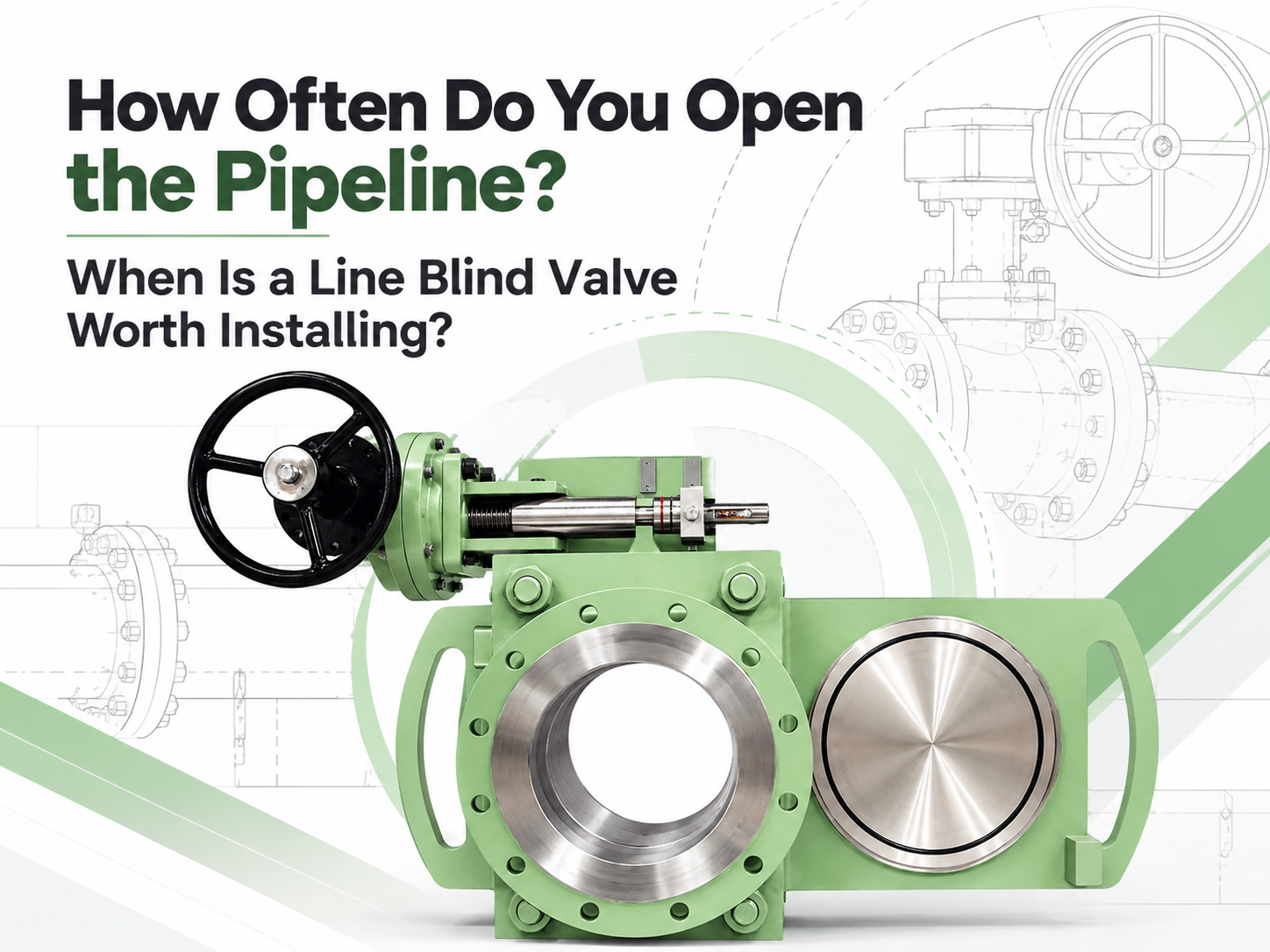
라인 블라인드 밸브는 파이프라인을 연간 여러 번 차단해야 하거나, 기존의 전환 작업으로 인해 수 시간의 가동 중단, 인양 작업 또는 유해 잔류물에 대한 상당한 노출이 발생하는 경우 평가해 볼 가치가 있습니다. 투자 회수를 보장하는 만능 작동 횟수 기준은 없습니다. 연간 두 번 작동하는 대형 중요 라인은 투자가 정당화될 수 있는 반면, 월 단위로 작동하는 소형의 접근이 쉬운 라인은 그렇지 않을 수 있습니다. 이 결정은 빈도만이 아니라 각 완전 격리 이벤트의 비용과 리스크를 기반으로 이루어져야 합니다. ‘연간 2회 작동’이라는 표준 규칙은 없습니다 일부 공급업체는 연간 1~2회의 전환을 스크리닝 임계값으로 사용합니다. 이는 논의의 시작점이 될 수는 있지만 엔지니어링 규칙은 아닙니다. 빈도는 DN50 유틸리티 라인과 DN600 공정 가스 메인 라인에서 매우 다른 결과를 가져옵니다. 사전 검토를 위해 다음 대역은 필수가 아니지만 유용합니다: 차단 빈도 초기 해석 주요 정비(턴어라운드)당 1회 이하 분리형 블라인드 또는 스펙터클 블라인드가 경제적인 경우가 많습니다. 연간 1~3회 인건비, 인양, 중단 시간 및 매체 리스크를 신중하게 비교하십시오. 분기별 내지 월별 A 퀵액션 라인 블라인드(은)는 일반적으로 강력한 후보입니다. 주간 또는 더 빈번함 목적에 맞게 제작되거나 자동화된 격리는 상세한 검토가 필요하며, 라인 블라인드가 요구되는 사이클 작업에 적합한지 확인해야 합니다. 모든 작업에 비계, 크레인, 여러 명의 배관공 또는 오랜 생산 중단이 필요한 경우, 낮은 작동 빈도에서도 설치를 뒷받침할 수 있습니다. 반대로, 공정이 압력, 온도, 재질 또는 유지보수 요구 사항을 수용할 수 없는 경우 잦은 작동이라도 라인 블라인드를 정당화하지 못합니다. 완전한 전환 작업 횟수 산정 전통적인 블라인딩 작업은 단순히 판을 이동하는 것 이상입니다. 라인이 안전해진 후 작업자들은 볼트를 풀고, 플랜지 조인트를 벌리고, 블라인드 또는 스페이서를 다루고, 개스킷을 교체하고, 정렬을 복원하고, 조인트를 조이고 누출 점검을 완료합니다. 대형 규격의 경우 리깅 및 접근 장비가 추가됩니다. 퀵액션 라인 블라인드는 설치된 어셈블리 내부에 스펙터클 또는 슬라이딩 플레이트가 지지된 상태를 유지합니다. 제조업체 문헌에 따르면 기존 플랜지 작업에 필요한 맨아워(man-hour) 대신 몇 분 만에 1명이 전환 작업을 수행할 수 있다고 흔히 보고됩니다. 이러한 수치는 스크리닝에 유용하지만, 프로젝트 계산에는 플랜트 자체의 절차
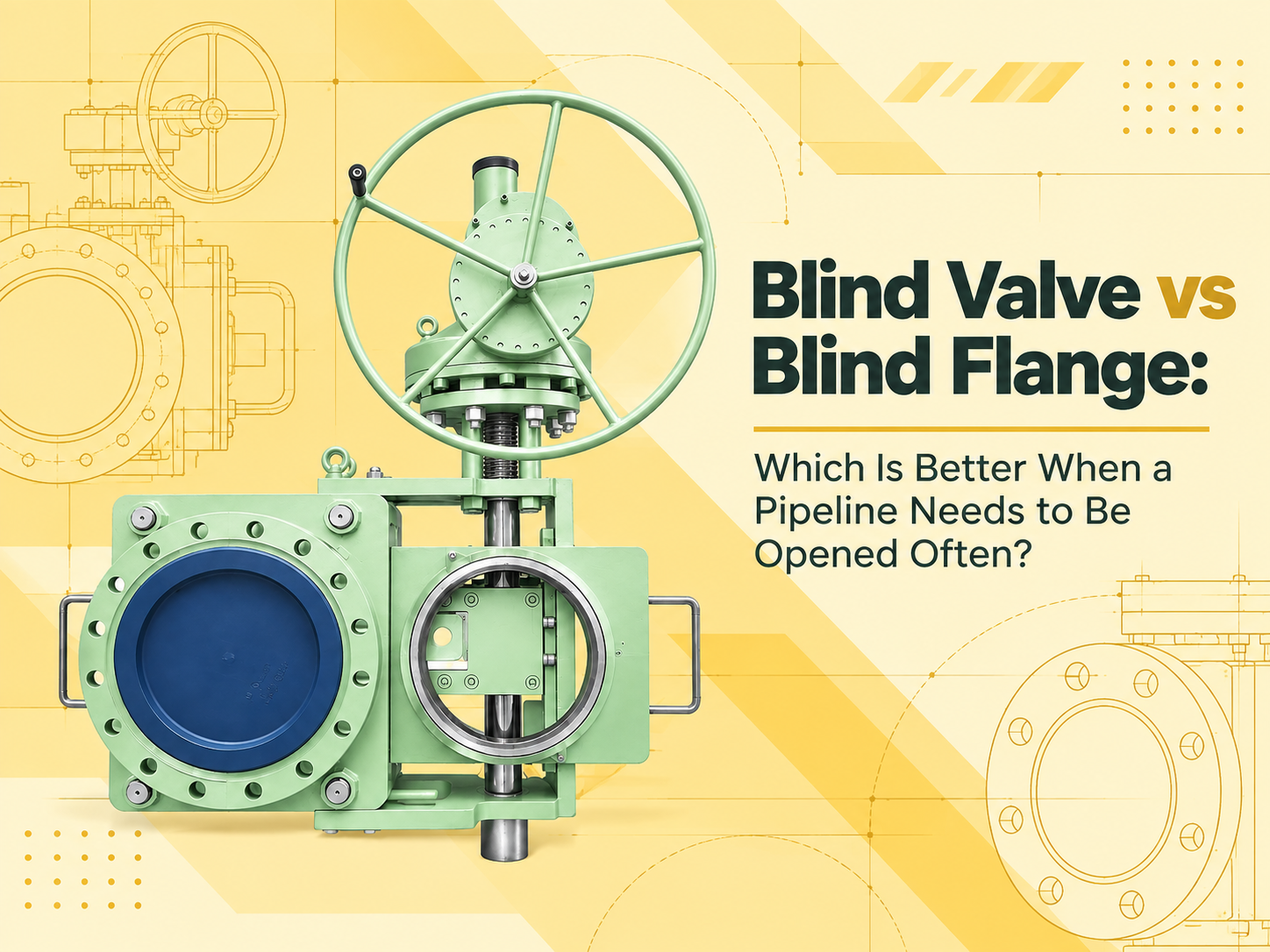
파이프라인을 자주 개방하고 확실하게 차단해야 하는 경우, 라인 블라인드 밸브가 일반적으로 더 나은 선택입니다. 이 밸브는 블라인드 메커니즘을 영구적으로 설치된 상태로 유지하며, 작업자가 볼트로 고정된 끝단 마개를 반복적으로 제거할 필요 없이 개방 위치와 차단 위치를 전환할 수 있게 해줍니다. 블라인드 플랜지는 비용이 저렴하고 움직이는 부품이 적지만, 장기간 닫힌 상태로 유지될 파이프 끝을 막는 데 더 적합합니다. 이 답변은 “블라인드 플랜지”가 파이프나 노즐 끝에 볼트로 고정된 단단한 플랜지를 의미한다고 가정합니다. 두 플랜지 사이에 설치되는 스펙터클 블라인드나 탈착식 스페이드는 유사한 고체 금속 차단 장벽을 형성하지만, 이는 다른 장치입니다. 잦은 개방은 비용 계산을 변화시킵니다 구매 가격 면에서는 블라인드 플랜지가 유리합니다. 구조가 단순하고 유지보수는 주로 플랜지 면, 개스킷, 스터드 및 너트를 점검하는 것으로 제한됩니다. 가끔 있는 정기 보수 기간에만 마개를 제거한다면, 이러한 단순함을 능가하기는 어렵습니다. 반복적인 개방은 상황을 바꿉니다. 블라인드 플랜지를 제거하려면 라인을 차단하고, 압력을 낮추고, 배수 또는 퍼지 작업을 수행한 뒤 안전을 확인해야 합니다. 그런 다음 볼트를 풀고, 플랜지를 지지하고, 밀봉 면을 분리해야 합니다. 더 큰 플랜지의 경우 리프팅 장비가 필요할 수 있습니다. 재조립 시에는 새 개스킷을 사용하고, 볼트를 제어된 방식으로 조이며, 누출 테스트를 수행해야 합니다. 이러한 단계 중 특별한 것은 없지만, 이를 반복하면 저비용 부품이 노동 집약적인 운영 방식으로 변하게 됩니다. 라인 블라인드 밸브 역시 승인된 설계 및 운영 절차에 별도의 명시가 없는 한, 위치를 변경하기 전에 라인을 차단하고 압력을 낮춰야 합니다. 이 밸브의 장점은 기계적 취급에 있습니다. 플레이트, 스페이서 또는 슬라이딩 요소가 본체 내에 고정되어 있으며, 메커니즘이 밀봉 면을 분리, 이동 및 재고정합니다. 수동 기어는 적절한 작동 힘에 적합할 수 있으며, 대형 사이즈나 원격 작동의 경우 전기, 공압 또는 유압 구동 방식이 정당화될 수 있습니다. 블라인드 밸브는 취급을 줄여주지만 유지보수할 장비를 추가합니다 잦은 전환의 경우, 블라인드 밸브는 작업을 단축하고 무거운 플레이트, 볼트 및 개스킷의 반복적인 취급을 줄일 수 있습니다. 개방 또는 폐쇄 위치는 일반적으로 외부 플레이트나 위치 표시기를 통해 확인할 수 있어 현장 검증에 도움이 됩니다. 또í•
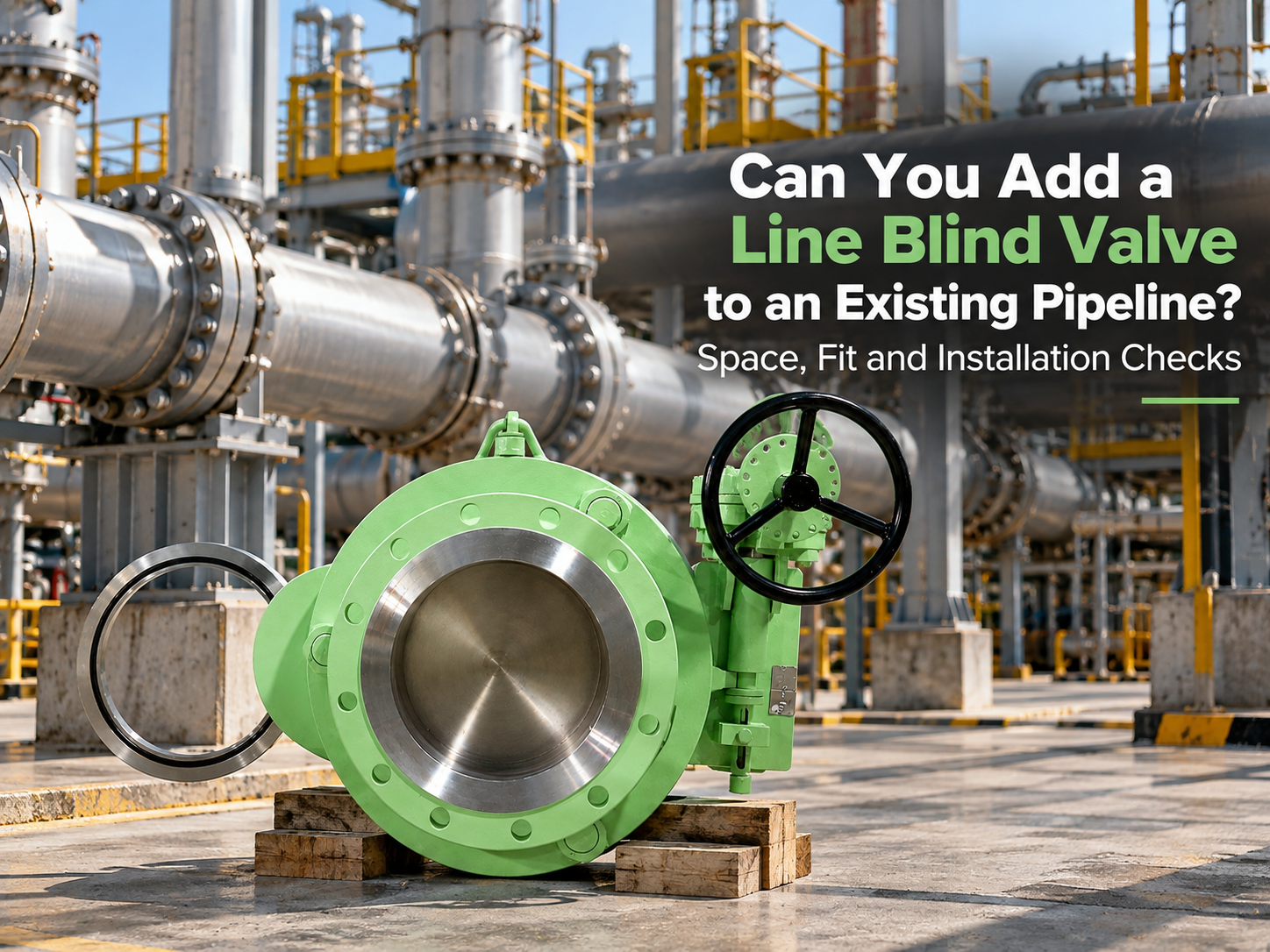
네, 라인 블라인드 밸브는 일반적으로 기존 파이프라인에 추가할 수 있지만, 단순히 짧은 구간을 잘라내고 밸브를 삽입하는 것만큼 간단한 작업은 거의 없습니다. 밸브는 기존 플랜지 및 압력 등급에 맞아야 하지만, 이는 첫 번째 확인 사항일 뿐입니다. 또한 밀봉 메커니즘을 해제하고, 블라인드 플레이트를 이동시키고, 다시 클램핑하고, 향후 작동을 위해 접근 가능한 상태를 유지할 공간이 필요합니다. 수정된 배관은 서비스에 복귀하기 전에 지지, 검사 및 테스트를 거쳐야 합니다. 파이프 끝단 사이에 맞지만 작동 스트로크를 완료할 수 없는 밸브는 실행 가능한 개조가 아닙니다. 전체 작동 범위를 고려하여 시작하십시오 면간 거리는 제거해야 할 파이프의 길이를 알려줍니다. 하지만 밸브가 움직이기 시작했을 때 필요한 공간이 얼마나 되는지는 알려주지 않습니다. 스윙형 라인 블라인드는 스펙터클 플레이트를 위한 명확한 호가 필요합니다. 그 공간은 밸브 본체를 훨씬 넘어설 수 있습니다. 인근 배관, 케이블 트레이, 난간, 플랫폼, 단열재 및 구조용 강철이 모두 움직임을 방해할 수 있습니다. 슬라이딩 설계는 플레이트가 측면이나 수직으로 이동할 수 있는 충분한 공간이 필요합니다. 구동 메커니즘, 기어박스, 유압 실린더 또는 액추에이터는 추가적인 여유 공간을 요구합니다. 제조업체의 일반 배치 도면에서 다음을 확인하십시오: ● 면간 거리 ● 최대 본체 폭 및 높이 ● 전체 플레이트 이동 또는 스윙 반경 ● 핸드휠, 기어박스 또는 액추에이터 여유 공간 ● 씰 및 내부 부품 제거에 필요한 공간 ● 리프팅 포인트 및 리깅 접근성 ● 작업자를 위한 안전한 서 있는 위치 밸브 중심선에서만 측정하지 마십시오. 기어 조작기는 인접한 파이프를 피할 수 있지만, 블라인드 플레이트는 스트로크 중간에 파이프와 부딪힐 수 있습니다. 방향도 중요합니다. 수직 배관의 경우, 일부 설계는 중력으로 인해 클램핑되지 않은 구성 요소가 제자리에서 이탈하지 않도록 특정 메커니즘 위치를 요구합니다. 예를 들어, 한 캠 작동식 설계에 대한 제조업체 지침은 수직 라인에서 캠 메커니즘을 스펙터클 플레이트 아래에 설치하도록 요구합니다. 밸브를 선택하기 전에 기존 파이프라인을 확인하십시오 오래된 도면은 유용하지만, 최종 맞춤은 현장 측정에 기반해야 합니다. 기존 파이프라인은 원래 도면이 발행된 이후 수리, 경로 변경 또는 정렬이 어긋났을 수 있습니다. 실제 다음 사항을 기록하십시오: ● 파이프 외경 및 스케줄 ● 플랜지 표준, 크기, 등급 및 페이싱 ● 플랜지 면 사이의 거리 또는 제안된 절단 지점 ● 파이프 중심선 및 플랜지 방향 ● 기존 라인에서 사용 가능한 이동 범위 ● 단열재 및 히트 트레이싱 두께 ● 인근 지지대, 가이드 및 신축 이음 ● 운전 및 설계 압력과 온도 ● 매질, 부식 여유 및 재질 사양 유사해 보이는 플랜지라도 드릴링, 페이싱 또는 치수가 다를 수 있습니다. 공칭 크기와 압력 등급에만 의존하지 말고 전체 플랜지 지정을 확인하십시오. 선택한 가스켓은 플랜지 페이싱, 매질, 온도 및 표면 마감에도 적합해야 합니다. 손상되었거나 심하게 부식된 플랜지 면 사이에 새 밸브를 설치해도 안정적인 접합부를 만들 수 없습니다. 밸브에 용접 단부가 있는 경우, 파이프 재질, 벽 두께, 용접 단부 준비, 용접 절차, 예열 및 용접 후 열처리 요구 사항이 기존 시스템과 일치해야 합니다. 설치 중에 밸브 내부 부품을 열과 용접 스패터로부터 보호해야 할 수도 있습니다. 파이프 간격보다 큰 면간 거리 변화 개조용 밸브가 원래의 파이프 조각, 스펙터클 블라인드 또는 교체 대상 밸브와 동일한 면간 거리를 갖는 경우는 거의 없습니다. 수정 작업 시 새로운 스풀 피스, 플랜지 또는 수정된 지지대 배치가 필요할 수 있습니다. 플랜지 볼트를 사용하여 정렬되지 않은 배관을 밸브 쪽으로 당기지 마십시오. 이는 파이프의 변형력을 밸브 본체와 밀봉 표면으로 전달합니다. 이 경우 공장 압력 테스트 결과가 만족스러웠더라도 밸브에서 누설이 발생할 수 있습니다. 최종 볼트 체결 또는 용접 전에 다음을 확인하십시오: ● 플랜지 면이 평행한지 확인하십시오. ● 강제 이동 없이 파이프 중심선이 일치하는지 확인하십시오. ● 밸브가 지지되지 않은 파이프의 무게를 지탱하고 있지 않은지 확인하십시오. ● 열 변위가 본체에 과도한 하중을 가하지 않는지 확인하십시오. ● 배관이 처지거나 이동하지 않고도 나중에 밸브를 제거할 수 있습니다. 대형 또는 작동식 라인 블라인드의 경우, 전용 밸브 지지대가 필요할 수 있습니다. 지지대는 정상적인 열팽창 이동을 방해하지 않으면서 밸브의 자중을 지탱해야 합니다. 제조업체의 설치 지침에서는 또한 라인 블라인드를 설치하기 전에 연결 배관을 정렬할 것을 요구합니다. 밸브가 크거나, 라인이 고온에서 작동하거나, 가장 가까운 지지대가 멀리 떨어져 있거나, 개조로 인해 기존 팽창 경로가 변경되는 경우 배관 응력 검토가 더욱 중요해집니다. 밸브는 차단 작업에 적합해야 합니다 물리적으로 맞다고 해서 서비스 적합성이 입증되는 것은 아닙니다. 본체, 블라인드 플레이트, 씰, 볼트 및 조작기는 파이프라인의 설계 조건에 맞춰 정격이 지정되어야 합니다. 공급업체에는 정상 작동 압력뿐만 아니라 닫힌 블라인드 양단의 최대 차압 정보가 필요합니다. 또한 최소 및 최대 온도, 매체 구성, 고형물 함량, 부식 우려 사항 및 요구되는 허용 누설량을 명시하십시오. 개조 시 다음 사항이 필요한지 결정하십시오: ● 스윙 또는 슬라이딩 플레이트 이동 ● 수동, 기어, 전기 또는 유압식 작동 ● 단방향 또는 양방향 씰링 ● 블리드, 드레인 또는 압력 표시 연결부 ● 위치 표시 또는 원격 리미트 스위치 ● 기계적 잠금 또는 작동 인터록 ● 위험하거나 환경에 민감한 매체를 위한 비유출형 인클로저 스윙 플레이트가 움직일 공간이 없는 평행 파이프 랙에는 소형 슬라이딩 밸브가 적합할 수 있습니다. 측면 여유 공간이 있고 플레이트 무게에 대한 영구적인 기계적 지지가 필요한 경우에는 스윙 설계가 작동하기 더 쉬울 수 있습니다. 결정은 일반적인 설계 선호도가 아닌,...

지불:
30% T/T When Order, 70% T/T Before Shipment제품 원산지:
China배송 포트:
Shanghai China리드 타임:
35~60 days Ex Works After Order ConfirmationMaterial:
Low Temperature Steel Ball Valve, A350 LF2Method of Operation:
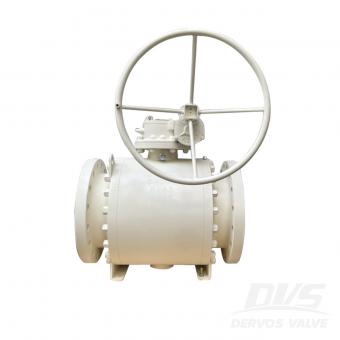
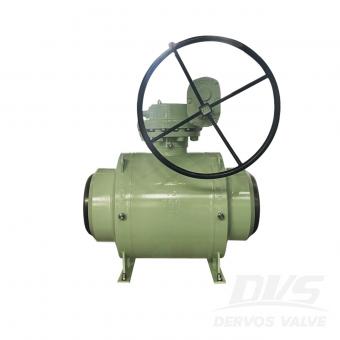
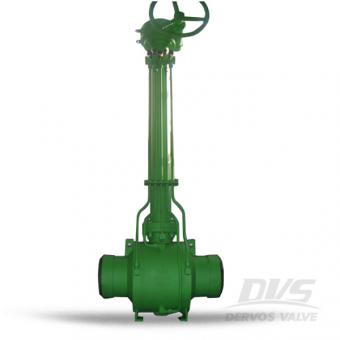
Gearbox Operated Ball Valve클래스 1500 4 ''극저온 볼 밸브는 저온 적용을 위해 확장 된 스템으로 설계되었습니다. 밸브는 완전히 용접 된 몸체, 맞대기 용접 끝 및 기어 박스 작동을 갖춘 lf2로 제작됩니다.
디자인 기능
완전 용접 & amp; 단조 바디
확장 줄기 또는 보닛
-완벽한 포트 디자인 및 piggable
안티 블로우 아웃 스템
정전기 방지 기능
-자동 캐비티 릴리프
양방향 시트 및 DBB 설계
스템 및 시트 그리스 피팅 포함
빠른 세부 사항
|
유형 |
볼 밸브 |
|
크기 |
4 " |
|
압력 |
아니 1500 |
|
구성 |
원피스 바디, 완전 용접, 연장 스템 또는 보닛, 완전 포트 |
|
연결 |
맞대기 용접 |
|
조작 |
변속 장치 움직이는 |
|
신체 재료 |
낮은 온도 스틸 A350 LF2 |
|
디자인 코드 |
API 6D |
|
압력 & amp; 온도 |
asme b16.34 |
|
엔드 투 엔드 치수 |
asme b16.10 |
|
종료 연결 |
asme b16.25 |
|
검사 |
API 598 |
|
온도 범위 |
-46 ℃ ~ + 200 ℃ |
|
미디어 |
기름, 수성 가스 |
관련 지식
보어 볼 밸브와 보어 볼 밸브의 차이점은 무엇입니까?
풀 보어 볼 밸브의 내경은 파이프의 내경과 동일합니다. 풀 보어 볼 밸브는 흐름에 대한 저항 및 압력 강하가 거의 없습니다. 또한, 전체 보어 볼 밸브는 돼지 모양입니다.
그러나 감소 된 포트 (표준 포트) 볼 밸브의 내부 직경은 내부 파이프 크기보다 작습니다. 감소 된 포트로 인한 유량 제한으로 인해 압력 강하가 발생합니다. 때로는 파이프를 청소하는 돼지가 줄어든 포트 볼 밸브에 끼일 수 있습니다.
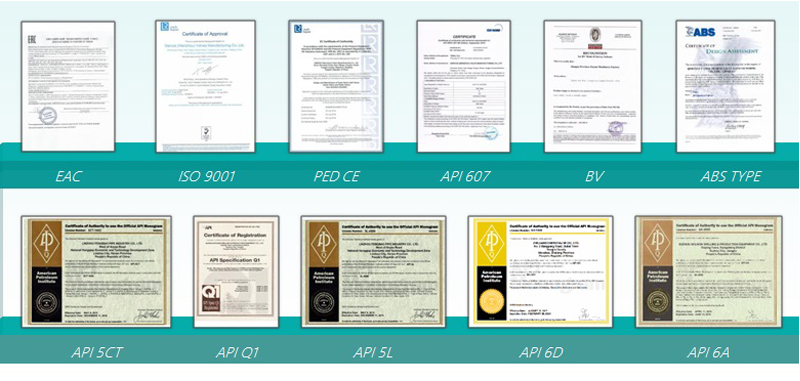
에 관심이 있다면 우리의 제품과한 자세한 내용을 알고 싶다면,메시지를 남겨주십시오 여기,우리가 응답할 것입니다 당신은 빨리 우리가 할 수 있습니다.
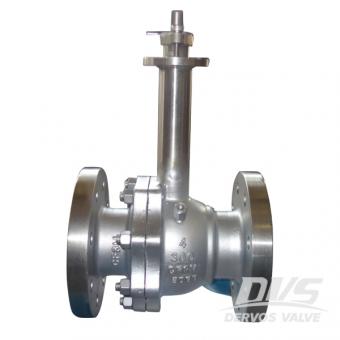
api609에 따라 설계된 4 인치 극저온 볼 밸브에는 rptfe가 장착 된 많은 부품이 있으며 알려진 플라스틱 재료의 마찰 계수가 가장 낮고 내식성이 우수하여 밸브가 극한 상황을 처리 할 수 있습니다.