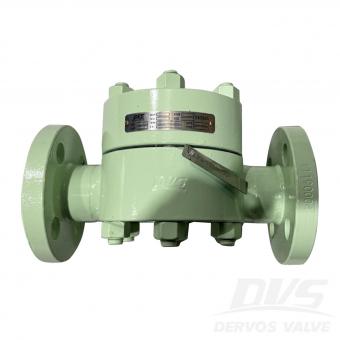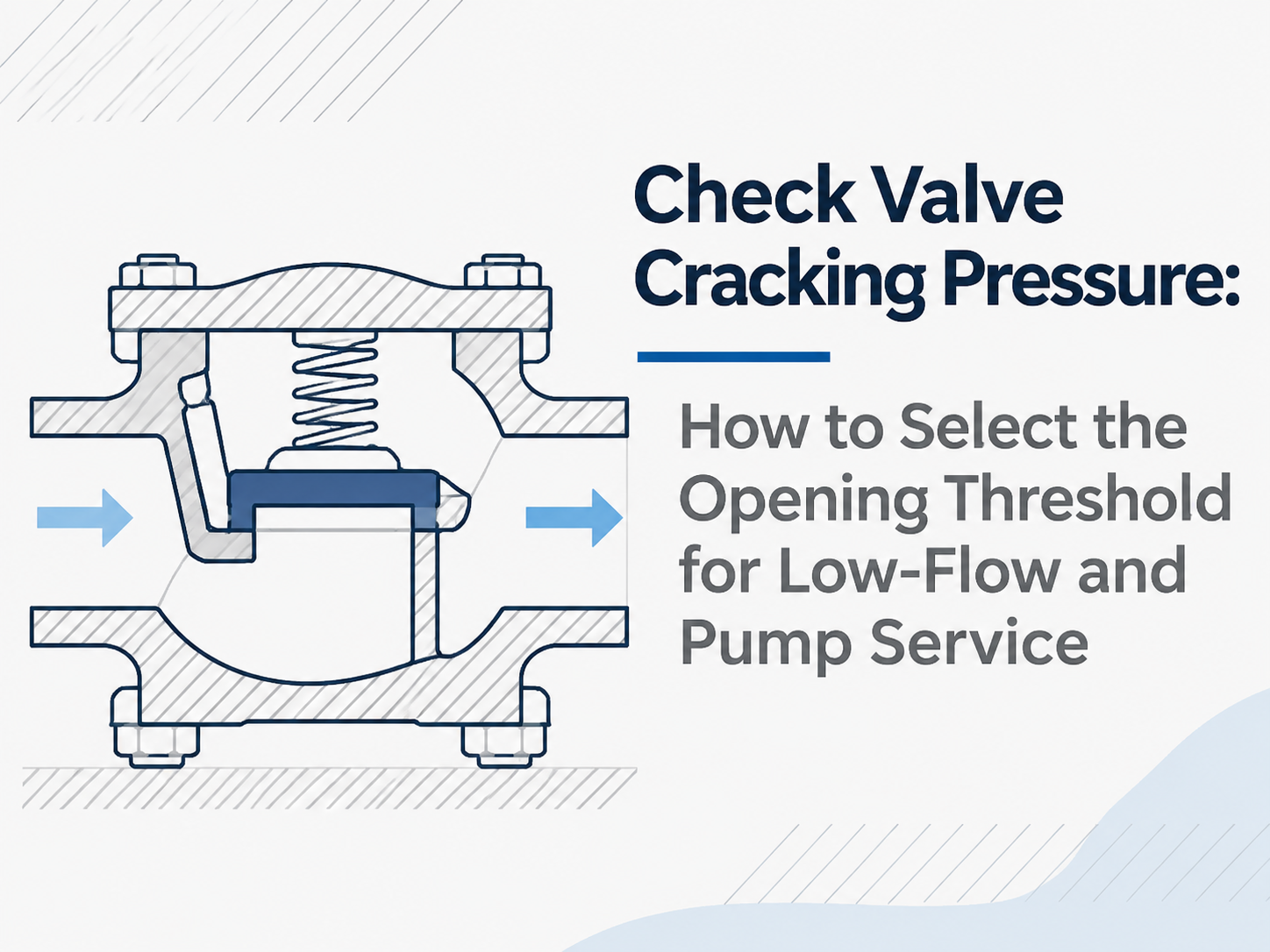
A check valve can begin to pass fluid and still be far from a stable open position. Check valve cracking pressure is therefore the threshold for first detectable flow, not the full-open pressure drop or proof of reliable minimum-flow operation. For low-flow and pump service, the opening threshold is acceptable only when the system can exceed it in the worst forward-flow case. The selection must then pass three separate checks: stable valve travel at minimum flow, acceptable pressure loss at normal and maximum flow, and timely closure when the pump stops. Start with the Worst Available Differential Pressure Parker defines cracking pressure as the upstream pressure at which detectable flow is measured, while Swagelok notes that first flow does not mean the valve is fully open. The relevant system value is not pump discharge pressure alone, but the pressure difference across the valve when it must open. For an initial screen: Available opening ΔP = minimum upstream pressure at the valve − maximum downstream pressure at the valve If the pressures come from remote points, correct them for elevation and line losses. Evaluate the least favorable credible case, such as a variable-speed pump starting at low speed or a standby pump opening against a live common header. The maximum guaranteed cracking pressure of the offered valve should be below this available ΔP, with an engineering allowance for manufacturing tolerance, temperature, orientation, deposits and measurement uncertainty. There is no defensible universal allowance. A nominal value alone is insufficient because catalog cracking pressure may be specified as a range, and a valve left idle may initially require a higher differential than it does after cycling. Low Cracking Pressure Does Not Solve Low-Flow Instability After the closure member lifts, more differential pressure and flow force are needed for stable travel. An oversized valve may crack open but hover near the seat because velocity is too low, causing clicking, flutter, impact and accelerated wear. Swagelok’s service guidance identifies excessive spring cracking pressure and excessive valve size as possible causes of chatter near the threshold. Size from the operating envelope rather than automatically matching the pipe diameter. Ask the supplier to evaluate three points for the exact size, spring and trim: Operating point Required evidence Minimum continuous flow Stable-open position, minimum stable flow or velocity, and corresponding ΔP Normal flow Model-specific pressure-drop curve or validated flow coefficient Maximum flow Peak ΔP, velocity limits, erosion risk and acceptable travel Cracking pressure answers “When does motion begin?” The flow curve and stable-flow limit answer “Will the valve remain open without damaging itself?” Pump Opening and Pump Shutdown Are Different Design Cases At s...
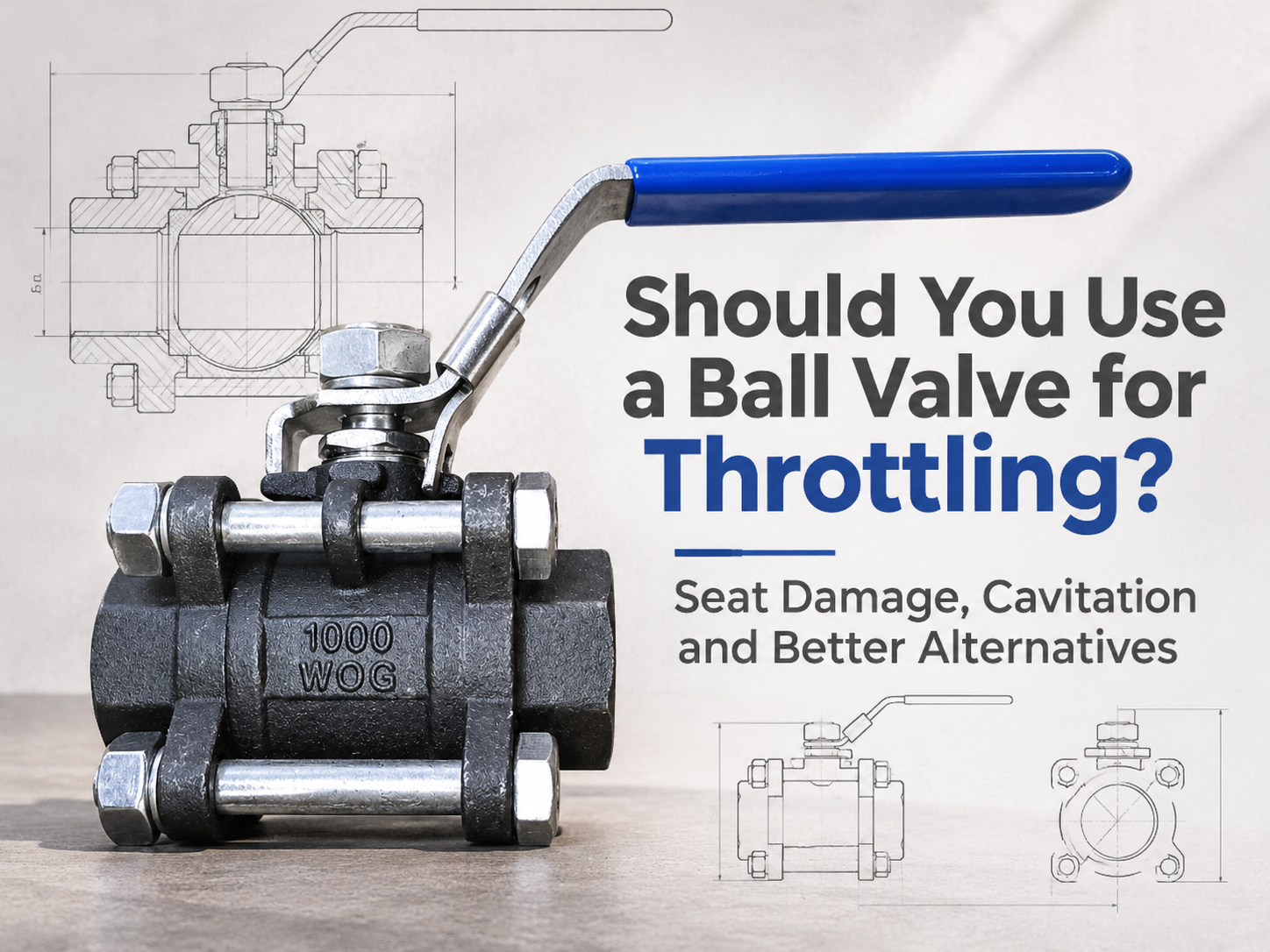
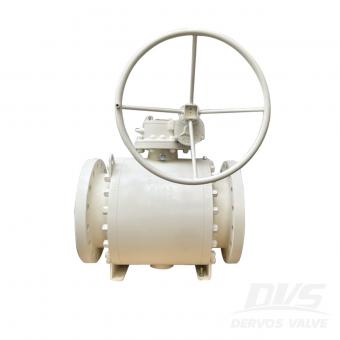
표준 온오프 볼 밸브는 연속적인 유량 조절의 기본 선택이 되어서는 안 됩니다. 유량을 제한할 수는 있지만, 그렇다고 해서 이것이 제어 밸브가 되는 것은 아닙니다. 밸브를 부분적으로 열어두면 시트가 집중된 고속 제트에 노출되어 불안정한 제어가 발생할 수 있으며, 액체 유체에서는 캐비테이션(공동현상)을 유발할 수 있습니다. 제조업체가 허용하는 경우 시동 또는 정지 중의 짧은 유량 제한은 허용될 수 있습니다. 정기적인 유량 조절에는 해당 용도에 맞게 설계 및 크기가 지정된 밸브가 필요합니다. 부분적으로 열린 볼은 시트를 유로에 노출시킵니다 표준 볼 밸브가 완전히 열리면 보어는 비교적 직선적인 유로를 제공합니다. 볼이 닫히는 방향으로 회전함에 따라 개구부는 좁고 변화하는 모양이 됩니다. 이 제한 부위를 통과하면서 유속이 빨라지고, 빠져나가는 제트는 하류 쪽 시트 가장자리와 바디 캐비티에 가깝게 통과할 수 있습니다. 시트가 차단 기능을 수행하기 때문에 이는 중요합니다. 소프트 시트는 고속, 열 및 혼입된 고형물로 인해 변형, 절단 또는 침식될 수 있습니다. 메탈 시트는 더 가혹한 조건을 견딜 수 있지만, 경도 자체만으로는 적절한 제어 특성을 제공하거나 국부적인 침식을 방지할 수 없습니다. 밸브가 여전히 정상적으로 작동하더라도 손상은 나중에 차단 누설 증가로 나타나는 경우가 많습니다. 제어 품질도 또 다른 한계입니다. 재래식 풀포트 볼은 일단 열리기 시작하면 작은 행정 변화에도 유량이 크게 증가할 수 있습니다. 따라서 액추에이터는 유용한 범위 전체에서 부드럽게 위치를 잡는 대신 좁은 각도 주변에서 헌팅(진동) 현상을 일으킬 수 있습니다. 포지셔너는 부적절한 밸브 특성을 수정할 수 없습니다. 캐비테이션은 라인 압력뿐만 아니라 국부 압력에 따라 달라집니다 액체가 제한 부위를 통과하여 가속되고 국부 압력이 액체의 증기압 이하로 떨어지면 캐비테이션이 발생할 수 있습니다. 이때 증기 기포가 형성됩니다. 하류에서 압력이 다시 증기압 이상으로 회복되면 기포가 붕괴되면서 밸브 또는 하류 배관 근처에 손상을 주는 에너지를 방출합니다. 볼 밸브는 일반적으로 회복이 빠른 밸브입니다. 가장 좁은 유량 영역에서 손실된 압력의 상당 부분이 하류에서 회복됩니다. 이는 최소 내부 압력이 측정된 출구 압력보다 훨씬 낮을 수 있음을 의미합니다. 따라서 얼핏 적당해 보이는 입구 대 출구 압력 강하가 밸브 내부의 더 심각한 압력 급강하를 숨기고 있을 수 있습니다. 자갈이 굴러가는
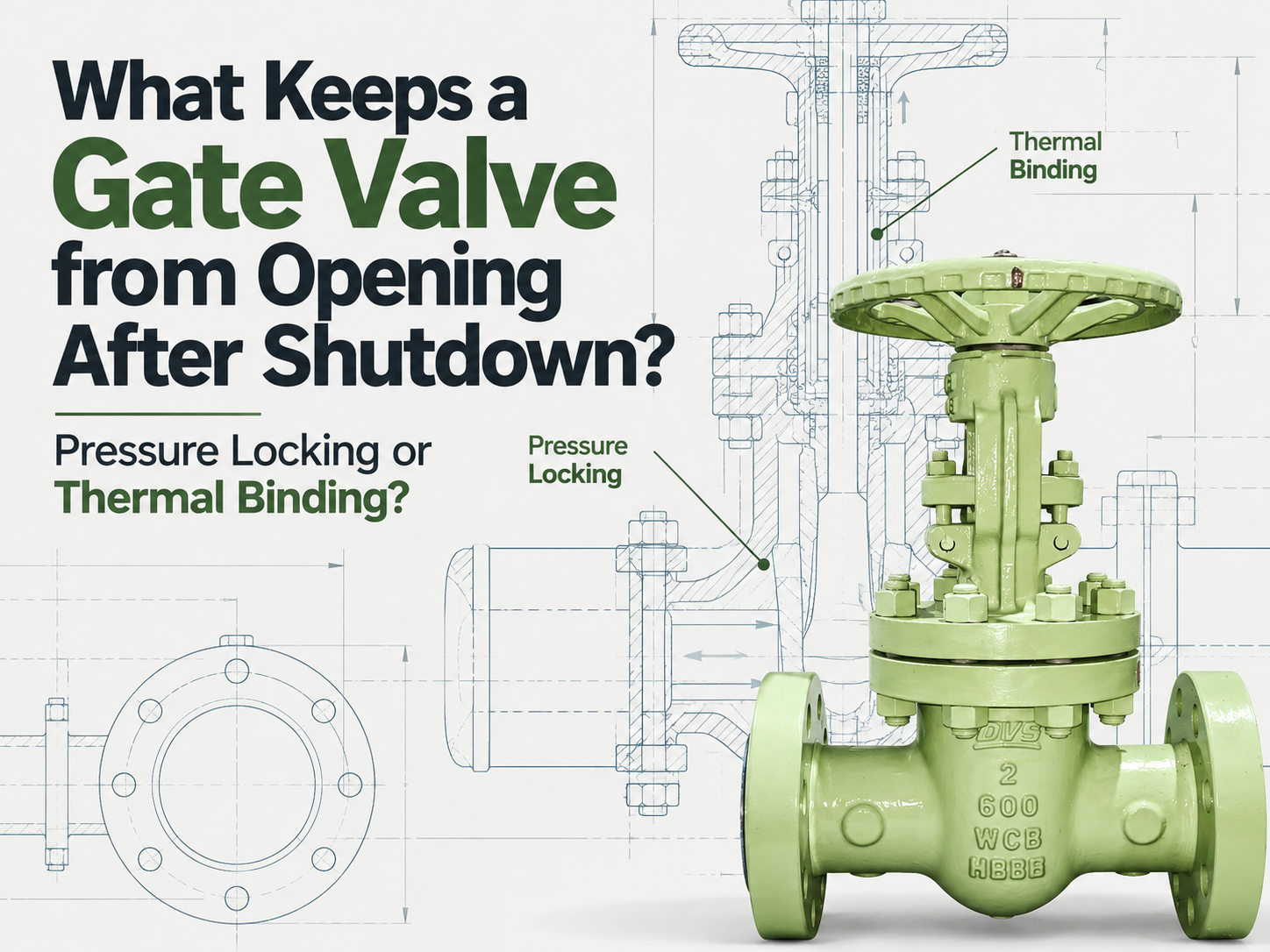
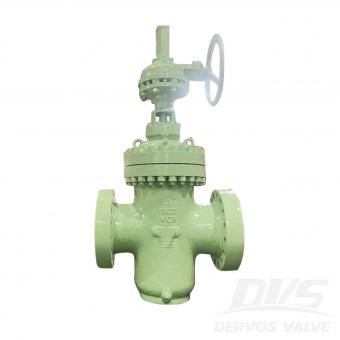
게이트 밸브셔트다운 후 열리지 않는 것은 압력 로킹 또는 열적 바인딩 때문일 수 있으며, 셔트다운 이력이 대개 이 둘을 구분해 줍니다. 압력 로킹은 보닛 캐비티에 압력이 갇혀 있다는 뜻이고, 열적 바인딩은 고온에서 닫힌 웨지가 냉각되는 동안 기계적 간섭이 발생했다는 뜻입니다. 어느 쪽이든 액추에이터 토크 설정을 높여야 하는 자동적인 이유는 되지 못합니다. 보닛 캐비티에서 시작되는 압력 로킹 압력 로킹은 작동 중 또는 약간의 시트 움직임이나 누설을 통해 액체가 보닛 캐비티로 유입될 때 플렉시블 웨지 및 더블 디스크 게이트 밸브에 영향을 미칠 수 있습니다. 밸브가 닫히면 해당 액체가 두 시팅 경계 사이에 갇히게 될 수 있습니다. 이 문제는 캐비티 압력이 닫힌 게이트 양쪽의 압력을 초과할 때 발생합니다. 캐비티가 작동 압력에서 채워진 후 배관의 압력이 해제되었거나, 갇힌 액체가 가열되어 팽창했을 수 있습니다. 그 결과로 발생하는 하중이 폐쇄 요소를 양쪽 시트로 밀어붙여 일반적인 액추에이터스러스트만으로는 열기 시작하기에 부족하게 만듭니다. 배관 압력 해제 후 또는 닫힌 밸브가 가열된 후에 열리지 않는 현상은 압력 로킹을 가리킵니다. 승인된 연결을 통해 측정이 가능한 경우, 보닛 압력은 높은 모터 전류나 토크 트립 단독보다 더 강력한 증거가 됩니다. 고온 폐쇄 및 냉각에 이어 발생하는 열적 바인딩 열적 바인딩은 다른 순서로 발생합니다. 웨지 게이트 밸브가 고온 상태에서 시팅되고 다음 열림 명령 전에 시스템이 냉각됩니다. 본체와 웨지의 불균등한 수축으로 인해 시트에서의 기계적 간섭이 증가할 수 있습니다. 솔리드 웨지가 특히 취약하지만, 큰 온도 변화는 플렉시블 웨지에도 영향을 미칠 수 있습니다. 이 메커니즘은 과압된 캐비티를 필요로 하지 않습니다. 가장 강력한 단서는 타이밍입니다. 밸브는 작동 온도에서 정상적으로 닫히지만 냉각 후에는 열리지 않습니다. 온도가 닫힘 조건으로 다시 돌아감에 따라 거동이 변하는 것은 진단을 뒷받침하지만, 고의적인 재가열에는 승인된 절차가 필요합니다. 통제되지 않은 외부 가열은 안전하지 않습니다. 토크 스위치를 건드리기 전에 셔트다운 재구성하기 압력 및 온도 타임라인부터 시작하십시오. 밸브가 닫힌 시점, 어느 한쪽이 나중에 배수 또는 감압되었는지 여부, 본체가 계속 열에 노출되었는지 여부, 그리고 열림 시도 실패 시의 온도를 기록하십시오. 도면이나 제조사 기록을 통해 게이트 설계를 확인하십시오. 솔리드 웨지, 플렉시ë

지불:
30% T/T When Order, 70% T/T Before Shipment제품 원산지:
China색:
Customization배송 포트:
Shanghai China리드 타임:
35~60 days Ex Works After Order ConfirmationMaterial:
Forged Steel Globe Valve, Carbon Steel Globe ValveMethod of Operation:
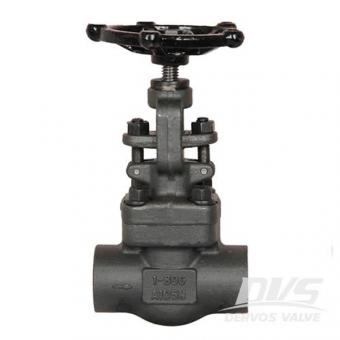
Handwheel Operated Globe Valve빠른 세부 사항
|
유형 |
지구 판막 |
|
크기 |
1'' |
|
압력 |
수업 800 |
|
구성 |
볼트 보닛, 감소 된 포트, 외부 scew & amp; 멍에 |
|
연결 타입 |
npt 암나사 |
|
작업 유형 |
핸드 휠 움직이는 |
|
디자인 코드 |
API 602 |
|
끝으로 종료 치수 |
저 같은 b16.10 |
|
연결 |
저 같은 b1.20.1 |
|
압력 및 온도 |
저 같은 b16.34 |
|
테스트 & amp; 검사 |
API 598 |
|
바디 재료 |
서서히 나아가는 스틸 a105 |
|
트림 재료 |
13cr + 위성 |
|
온도 범위 |
-29 ℃ ~ + 427 ℃ |
|
신청 |
물, 석유 가스 |
|
유래 |
중국 |
제품 범위
4 인치까지 1.size
150lb에서 2500lb 사이의 2.design 압력
3. 연결 : 플랜지, 소켓 용접, 스레드
4.operation : 액추에이터와 더불어 수동 핸들, 변속기, 벌거 벗은 줄기,
5.body 물자 : 탄소 강철, 스테인리스, 합금 강철
6.trim 재질 : 트림 1, 5, 8, 10, 12, 16 등.
7. 볼트 보닛, 압력 밀봉 보닛, 용접 보닛, 스크류 보닛
8. 감소 구멍, 전체 구멍

에 관심이 있다면 우리의 제품과한 자세한 내용을 알고 싶다면,메시지를 남겨주십시오 여기,우리가 응답할 것입니다 당신은 빨리 우리가 할 수 있습니다.
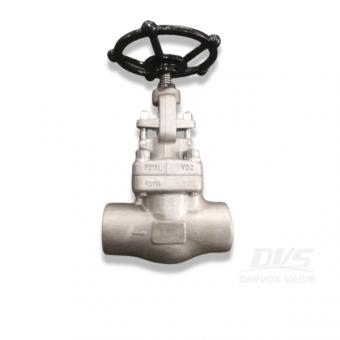
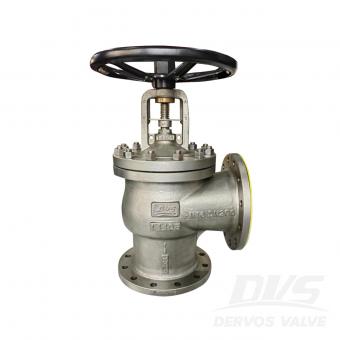
역류 방지 설계의 글로브 밸브는 개방 위치에 있을 때 역류를 방지하며 격리 작업에도 적합합니다. 수동으로 작동하며 핸드휠과 함께 제공됩니다.
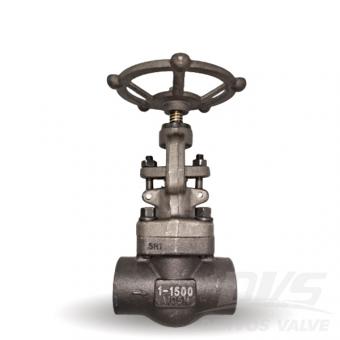
빠른 세부 정보 유형 글로브 밸브DN DN50PN PN250 건설 티 패턴; 볼트 보닛; 연결 타입 NPT 작업 유형 핸드휠 디자인 코드 API602 나사 끝 ASME/ANSI B1.20.1 테스트 & 검사 API598 본체 재질 A105+STL 트림 소재 A276-420 중간 물, 석유 및 가스 기원 중국 특징 -- 글로브 밸브에는 스로틀링 및 차단 기능이 모두 있습니다. -- 유지 보수가 용이하고 좌석을 다시 표면 처리합니다. -- 디스크가 스템에 부착되지 않은 경우 스톱 체크 밸브로 사용 가능 기술 도면 치수 확인 증인 시험 더보스 패키징 좋은 포장은 좋은 첫인상을 의미합니다. 아래 두 개의 상자를 보면 어떤 느낌이 다를지 상상해 보세요. 그리고 Dervos에서 포장을 그토록 중요시하는 이유를 알게 될 것입니다. Dervos에서는 다음을 확인합니다. 모든 밸브는 깨끗하고 건조합니다. - 포장하기 전에 밸브를 청소하십시오. - 방청유 첨가 - 플랜지 커버 추가 배송 시 밸브에 손상이 없습니다. - 철선으로 밸브 고정 - 부드러운 재질로 밸브를 분리 - 합판으로 밸브를 겹칩니다. - 튼튼한 상자와 명확한 배송 표시
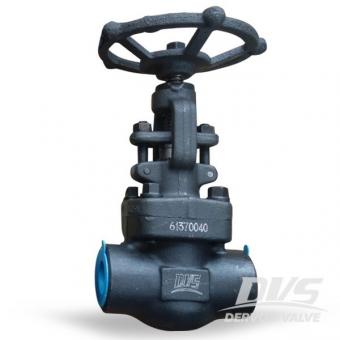
외부 나사 및 요크, 핸드휠 작동, NPT가 있는 단조 스틸 글로브 밸브는 A105로 만들어졌으며 BS5352에 따라 설계되었습니다.
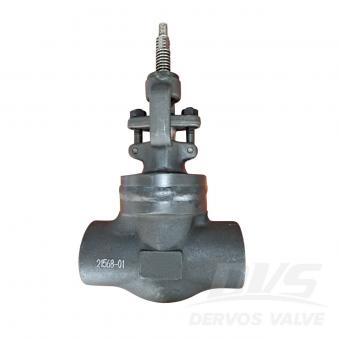
11/2" 800LB 글로브 밸브는 API602 규격에 따라 제작되었습니다. 밸브 본체는 A105+STL로 제작되었습니다. 용접 보닛의 구조적 특성을 가지고 있습니다. 연결 모드는 SW이며 핸드 휠 작동 모드가 있습니다.
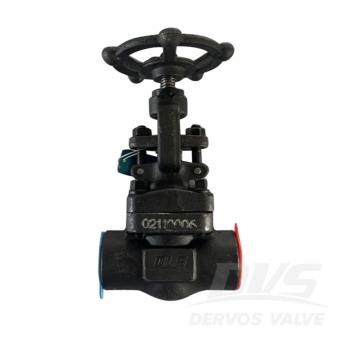
3/4" 800LB 글로브 밸브는 API 602 표준에 따라 만들어집니다. 밸브 본체는 A105N+ STL로 만들어집니다. 플러그, 디스크 스위블 플러그, 바디 시트 및 OS&Y의 구조적 특성을 가지고 있습니다. 연결 모드는 SW+FNPT입니다. 그리고 핸드 휠 작동 모드가 있습니다.
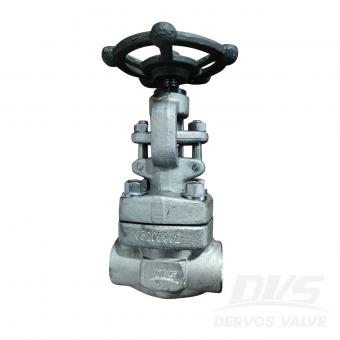
1/2" 800LB 글로브 밸브는 API 602 표준에 따라 만들어집니다. 밸브 본체는 ASTM A182 F316/F316L+STL로 만들어집니다. 볼트 커버, 디스크 스위블 플러그, 바디 시트 및 OS&Y의 구조적 특성을 가지고 있습니다. 연결 모드 SW 이며 핸드 휠 작동 모드가 있습니다.
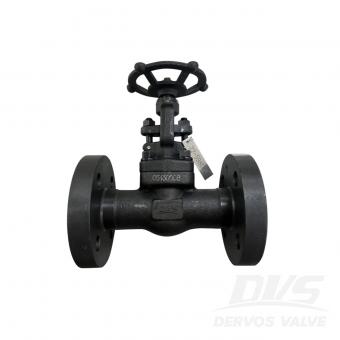
DN25 PN63 글로브 밸브는 BS5352 표준에 따라 제작되었습니다. 밸브 본체는 A105N+SS304로 만들어집니다. 볼트커버의 구조적 특성을 지닌 Straight Through Type입니다. 연결 모드는 EN1092-1 D입니다. 그리고 핸드 휠 작동 모드가 있습니다.
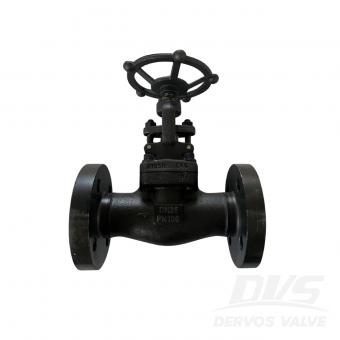
DN25 PN100 글로브 밸브는 API 602 표준에 따라 제작되었습니다. 밸브 본체는 A105N+SS304로 만들어집니다. 볼트커버의 구조적 특성을 지닌 Straight Through Type입니다. 연결 모드는 EN1092-1 D입니다. 그리고 핸드 휠 작동 모드가 있습니다.
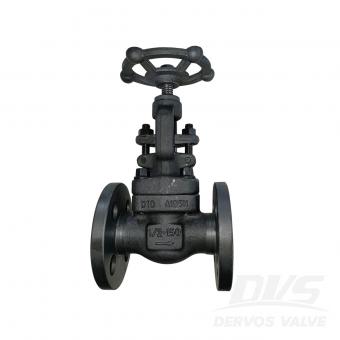
1/2" 150LB 글로브 밸브는 API 602 표준에 따라 제작되었습니다. 밸브 몸체는 ASTM A105N+STL로 제작되었습니다. 관통형의 구조적 특성을 가지고 있습니다. 연결 모드는 RF이며 핸드 휠 작동 모드가 있습니다. .
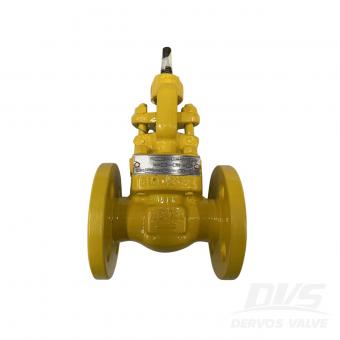
1/2" 150LB 글로브 밸브는 API 602 표준에 따라 제작되었습니다. 밸브 몸체는 ASTM A105N+STL로 제작되었습니다. 관통형의 구조적 특성을 가지고 있습니다. 연결 모드는 RF이며 핸드 휠 작동 모드가 있습니다. .
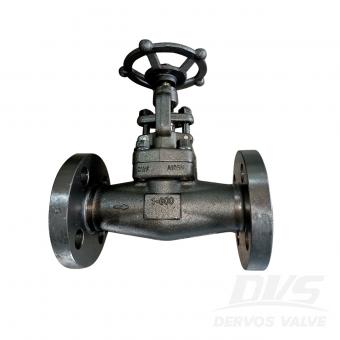
1" 600LB 글로브 밸브는 API 602 표준에 따라 제작되었습니다. 밸브 본체는 ASTM A105N+STL로 제작되었습니다. 볼트 커버의 구조적 특성을 지닌 직선 관통형입니다. 연결 모드는 RF입니다. 그리고 핸드 휠 작동 모드가 있습니다. .
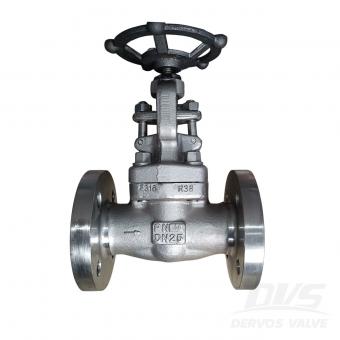
DN25 PN40 단조 강철 글로브 밸브는 BS 5352 표준에 따라 제작되었습니다. 밸브 몸체는 A182-F316+STL로 만들어졌습니다. 볼트커버와 스트레이트형의 구조적 특징을 가지고 있습니다. 연결 모드는 EN1092-1 B입니다. 그리고 핸드 휠 작동 모드가 있습니다.