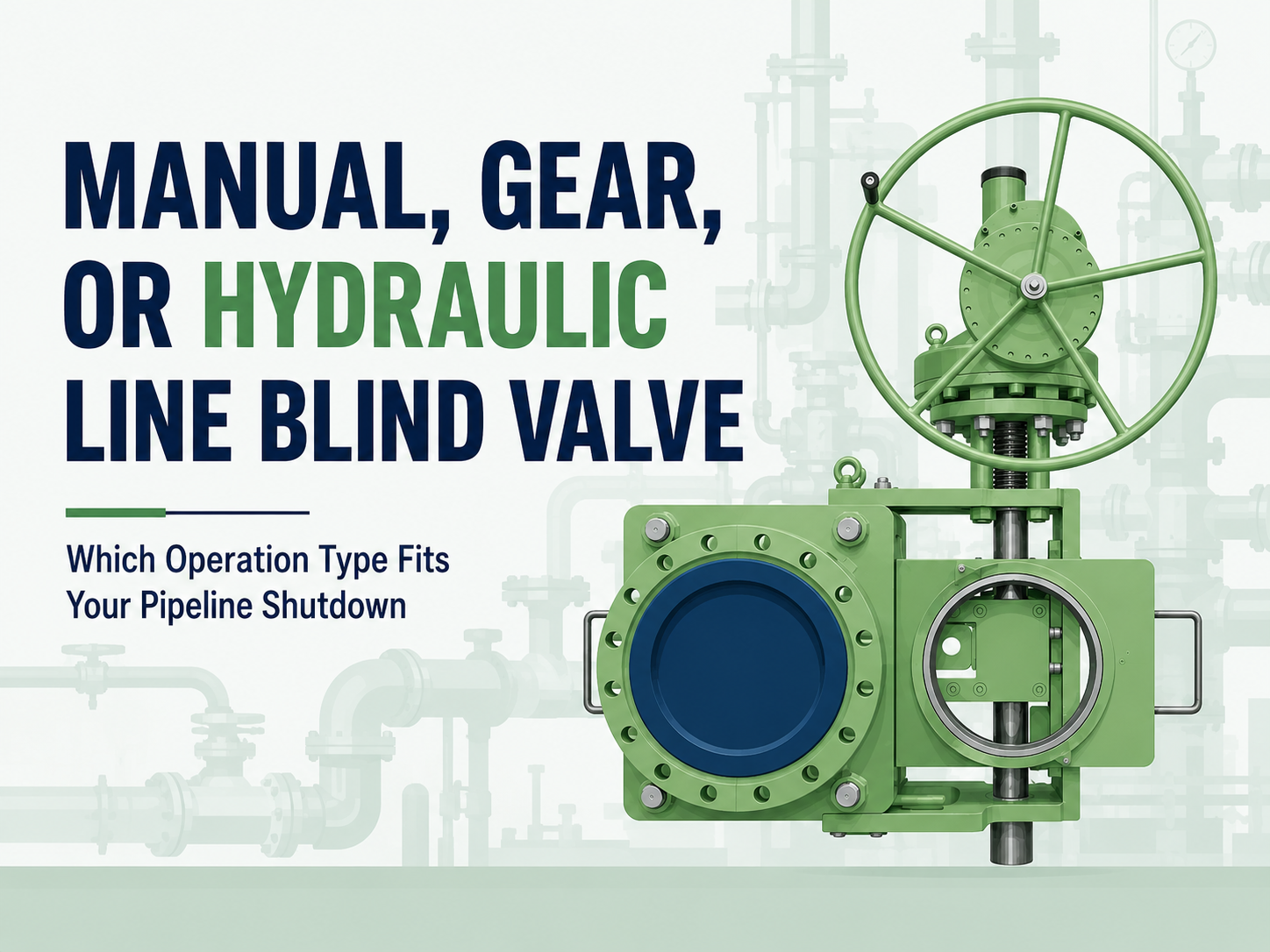
작동 방식은 셧다운 결정을 좌우합니다 라인 블라인드 밸브는 확실한 격리를 위해 선택되지만, 작동 방식은 셧다운 중 해당 격리가 얼마나 실용적인지를 결정합니다. 수동식, 기어 작동식, 유압식 설계는 모두 블라인드를 개방 위치와 폐쇄 위치 사이에서 이동시킬 수 있지만, 작업량, 속도, 안전 여유는 동일하지 않습니다. 셧다운 계획에서 올바른 질문은 단순히 “밸브가 라인을 격리할 수 있는가?”가 아닙니다. “운영자가 셧다운 시간 내에 밸브를 전환하고, 확인하고, 잠금 처리하고, 안전하게 운전 상태로 복귀시킬 수 있는가?”입니다. 수동 작동: 단순하지만 제한적 수동 작동은 일반적으로 더 작은 라인 블라인드 밸브s, 낮은 압력 등급, 드문 전환 작업, 그리고 작업자가 밸브 주변에 명확하게 접근할 수 있는 현장에 적합합니다. 설계를 단순하게 유지하고 유압 동력 장치나 제어 시스템에 대한 의존을 피할 수 있습니다. 제한 요소는 물리적 힘입니다. 크기, 압력 등급, 씰 하중, 플레이트 중량이 증가할수록 수동 작동은 느려지고 인적 오류에 더 노출됩니다. 여러 작업자, 인양 도구 또는 장시간 취급이 필요하다면 해당 밸브는 더 이상 촉박한 셧다운 일정에 적합하지 않을 수 있습니다. 수동 작동은 관리 가능한 크기와 낮은 전환 빈도를 가진 경우의 저복잡도 옵션으로 고려하는 것이 가장 좋습니다. 기어 작동: 중간 작업량 셧다운을 위한 향상된 제어 기어 작동식 라인 블라인드 밸브는 직접 수동 작동보다 더 큰 기계적 이점과 향상된 제어 기능을 제공합니다. 단순 수동 전환에는 너무 크거나 뻣뻣하지만 현장에서 유압 시스템을 도입할 필요가 없는 경우 유용합니다. 기어 작동은 격리가 계획되어 있고 접근성이 확보되며 전환 속도가 중요하지만 유일한 우선순위는 아닌 플랜트 셧다운에 자주 적합합니다. 작업자의 부담을 줄이고 전환 과정을 더욱 예측 가능하게 만들 수 있습니다. 구매자는 여전히 기어박스 위치, 핸드휠 접근성, 작동 회전 수, 토크, 잠금 방식, 위치 표시를 검토해야 합니다. 셧다운 중 안전하게 접근할 수 없는 기어 작동기는 밸브 설계가 올바르더라도 좋은 해결책이 아닙니다. 유압 작동: 대형, 고압 또는 시간에 민감한 라인용 유압 작동은 일반적으로 라인 블라인드 밸브가 크거나, 고압이거나, 자주 전환되거나, 운전 영역이 어려운 위치에 있을 때 고려됩니다. 수동 취급을 줄이고 전환 시간을 단축하며 계획된 격리 중 제어성을 향상시킬 수 있습니다. 이러한 이유로 유압 라인 블라인드 밸브는 정유ì†
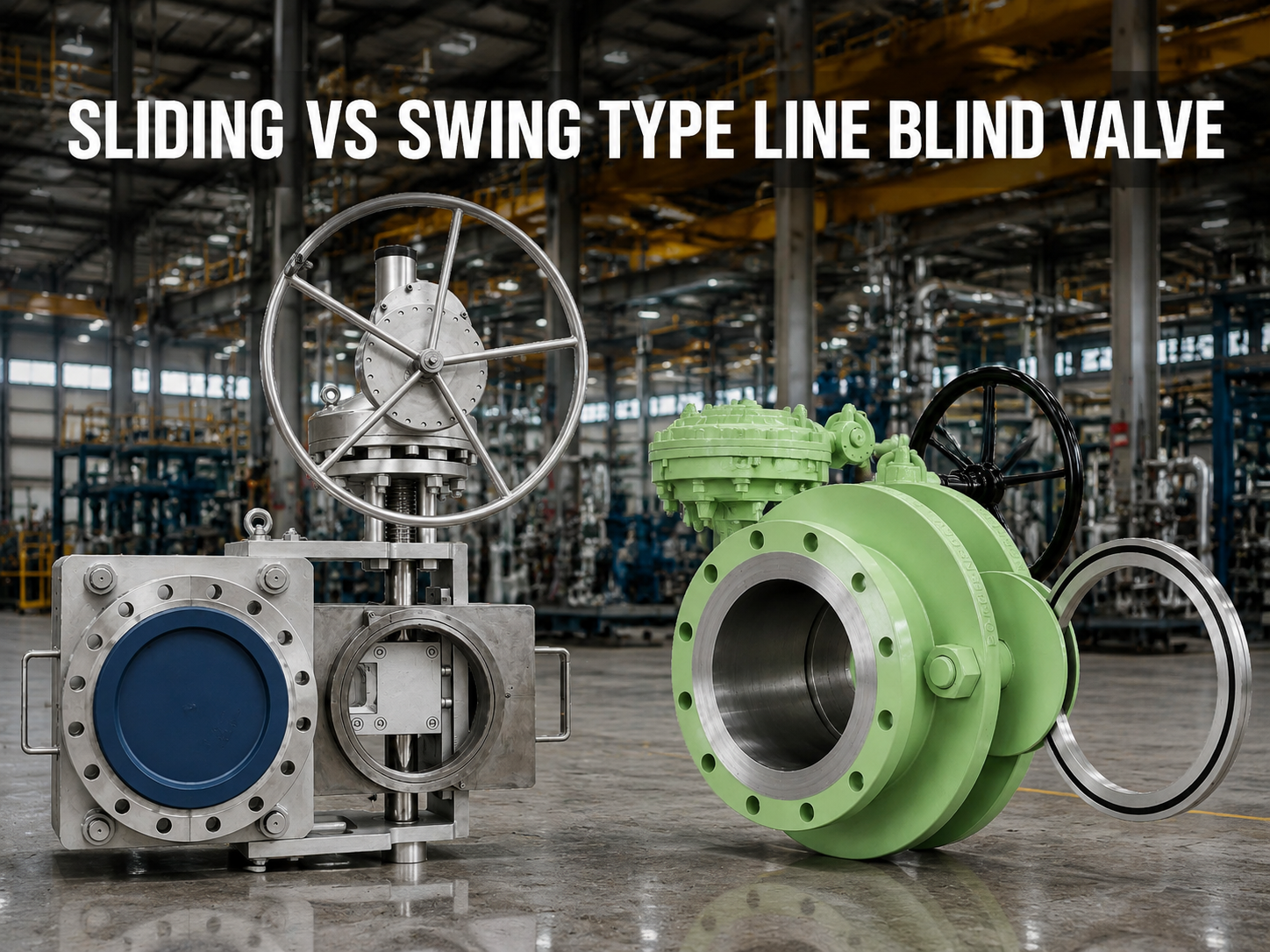
슬라이딩 방식과 스윙 타입 라인 블라인드 밸브는 모두 동일한 핵심 목적, 즉 완전 차단을 위해 사용됩니다. 닫힌 위치에서는 견고한 블라인드 플레이트가 배관 보어를 차단하여 작업자가 유지보수, 검사, 셧다운 작업 또는 유체 전환 전에 시각적이고 기계적인 격리 방법을 확보할 수 있게 합니다. 차이는 한쪽만 차단할 수 있고 다른 쪽은 그렇지 않은지가 아닙니다. 실제 문제는 밸브가 어떻게 움직이는지, 현장에 얼마나 많은 공간이 있는지, 얼마나자주 라인을 전환해야 하는지, 그리고 압력, 온도 및 현장 접근 제한 조건에서 작업이 얼마나 어려울지입니다. A 슬라이딩 타입 라인 블라인드 밸브는 블라인드 플레이트를 측면으로 이동시킵니다. 이 설계는 측면 여유 공간은 있지만 스윙 공간이 제한된 경우 유용합니다. 스윙 타입 라인 블라인드 밸브는 블라인드 플레이트를 유로 안쪽 또는 바깥쪽으로 회전시킵니다. 플레이트가 회전할 수 있는 설치 공간이 있고 빠르고 명확한 전환이 필요한 경우 자주 선택됩니다. 선정 요소 슬라이딩 타입 라인 블라인드 밸브 스윙 타입 라인 블라인드 밸브 구조 블라인드 플레이트가 열림과 닫힘 위치 사이에서 측면으로 미끄러져 이동 블라인드 플레이트가 열림과 닫힘 위치 사이에서 회전하거나 스윙 이동 작동 플레이트 이동을 쉽게 하기 위해 기어, 유압, 공압 또는 전동 보조 방식이 자주 사용됨 크기와 등급에 따라 수동, 기어, 유압, 공압 또는 전동 작동 방식 사용 유지보수 슬라이딩 트랙, 밀봉면 및 구동 부품을 정기적으로 점검해야 함 회전축, 잠금 부품, 밀봉면 및 구동 부품을 검사해야 함 공간 요구사항 일반적으로 스윙 반경이 제한된 경우 더 적합하지만 측면 이동 공간이 필요함 배관 주변에 충분한 스윙 여유 공간이 필요함 적합한 서비스 빈번한 전환, 컴팩트한 플랜트 배치, 제한된 스윙 공간 명확한 작동 경로, 빠른 전환, 유지보수 격리, 오일, 가스, 증기 또는 화학 라인 컴팩트한 플랜트, 파이프 랙 또는 주변 장비가 있는 영역에서는 슬라이딩 타입 설계가 배치하기 더 쉬울 수 있습니다. 측면 이동 방식은 스윙 플레이트에 필요한 큰 회전 호를 피할 수 있습니다. 이러한 이유로 설치 공간이 중요한 제약 조건일 때 슬라이딩 라인 블라인드가 자주 고려됩니다. 스윙 타입 설계는 현장에 충분한 여유 공간이 있고 작업자가 개방 위치와 블라인드위치 사이의 간단하고 시각적인 변화를 원할 때 선호되는 경우가 많습니다. 대형 크기 또는 높은 압력 등급에서는 작동 방식이 중요해집니다. 기어,
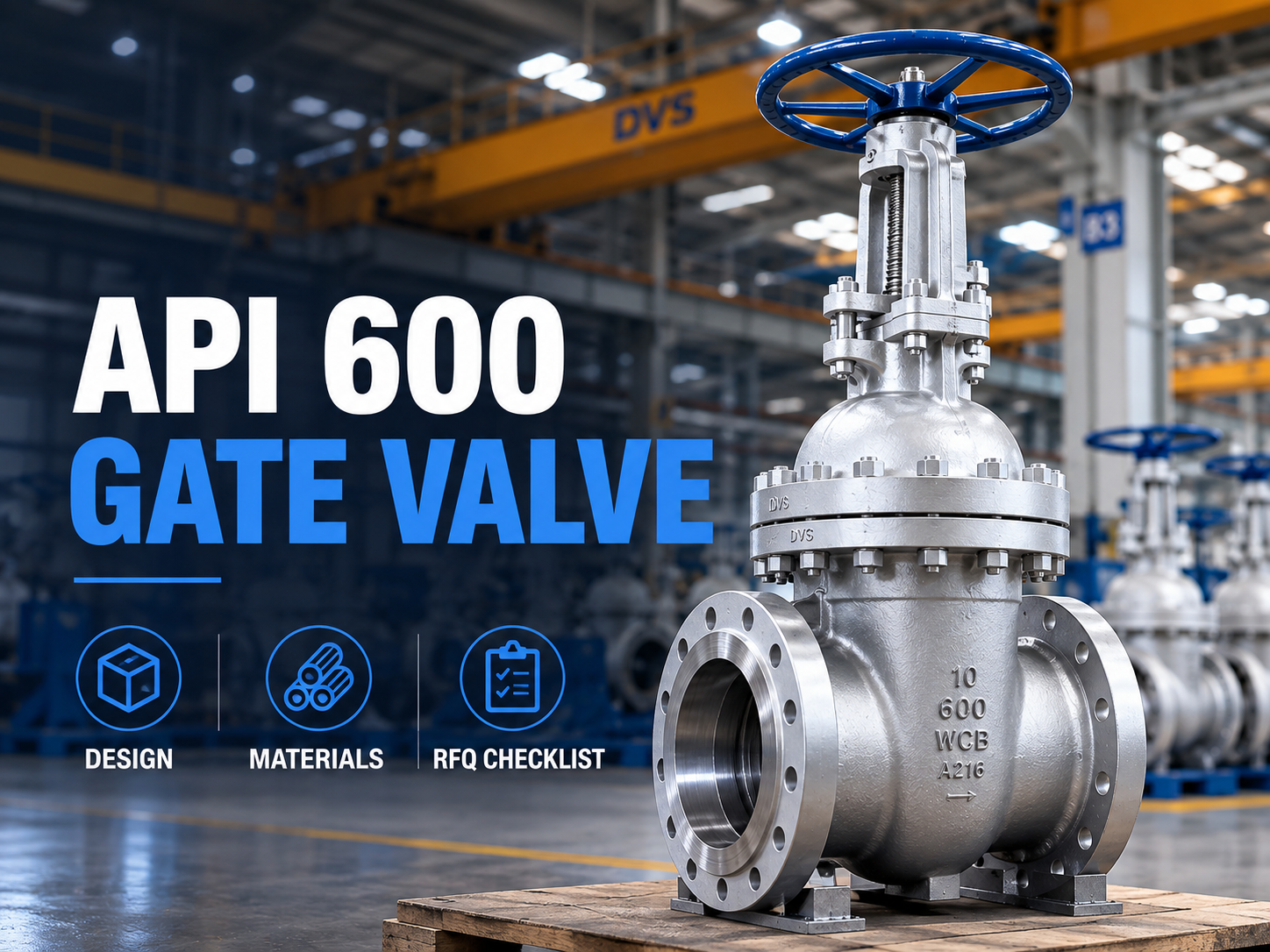
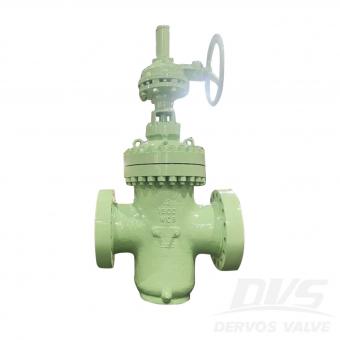
API 600 게이트 밸브는 석유, 천연가스, 석유화학, 정유 및 발전 분야에서 완전 개방 또는 완전 폐쇄 차단용으로 사용되는 고강도 강철 게이트 밸브입니다. 좋은 RFQ(견적 요청서)는 크기, 압력 등급, 재질, 트림, 엔드 연결, 작동 방식, 시험 및 문서 요구 사항을 정의해야 합니다. API 600 게이트 밸브란 무엇인가요? 하나의 API 600 게이트 밸브 는 까다로운 산업용 서비스용으로 설계된 강철 게이트 밸브입니다. 일반적으로 경량 밸브보다 더 견고한 구조가 필요한 압력, 온도 및 공정 조건에서 신뢰성 있는 차단 기능을 제공해야 하는 곳에 사용됩니다. API 600은 강철 게이트 밸브에 적용되는 규격입니다. 일반적으로 볼트 체결 보닛 구조, 외부 나사 및 요크 설계, 상승 스템 작동 방식, 금속 시트 표면, 플랜지 또는 맞대기 용접 엔드와 관련됩니다. 구매자에게 중요한 핵심은 간단합니다. API 600 게이트 밸브는 조절용이 아니라 차단용으로 설계되었습니다. 일반적으로 완전히 열거나 완전히 닫힌 상태로 작동해야 합니다. 주요 설계 특징 API 600 게이트 밸브의 설계는 강도, 밀봉 및 사용 신뢰성에 중점을 둡니다. 일반적인 설계 특징은 다음과 같습니다: ● 볼트 체결 보닛 구조 ● 외부 나사 및 요크(OS&Y) 설계 ● 상승 스템 ● 플렉시블 웨지또는 솔리드 웨지 ● 금속 시트 표면 ● 설계에 따라 교체 가능한 또는 용접 내장형 시트 링 ● 플랜지, RTJ 또는 맞대기 용접 엔드 ● 핸드휠, 기어박스 또는 액추에이터 작동 방식 상승 스템은 작업자가 밸브가 열려 있는지 닫혀 있는지 확인하는 데 도움을 줍니다. OS&Y 구조는 또한 스템 나사산을 압력 경계 외부에 유지하여 검사와 유지보수를 더 쉽게 할 수 있습니다. 고온 또는 고압 서비스에서는 웨지, 시트, 가스켓, 패킹 및 볼트 재질을 주의 깊게 확인해야 합니다. 밸브가 일반 규격을 충족하더라도 재질이나 트림이 유체에 적합하지 않으면 사용할 수 없습니다. API 600 게이트 밸브의 일반적인 재질 재질 선택은 공정 유체, 운전 온도, 부식 위험 및 압력 등급에 맞아야 합니다. 일반적인 바디 및 보닛 재질은 다음과 같습니다: 재질 일반적인 용도 ASTM A216 WCB 일반 탄소강 서비스 ASTM A217 WC6 / WC9 고온 합금강 서비스 ASTM A352 LCB / LCC 저온 서비스 ASTM A351 CF8 / CF8M 스테인리스강 또는 부식성 서비스 듀플렉스 스테인리스강 부식 또는 염화물 함유 서비스 트림 선택도 동일하게 중요합니다. 스템, 웨지, 시트 및 하드페이싱은 온도, 유체 및 누설 요구사항과 호환되어야 합니다. 정유, 증기 또는 석유화학 서비스의 ê
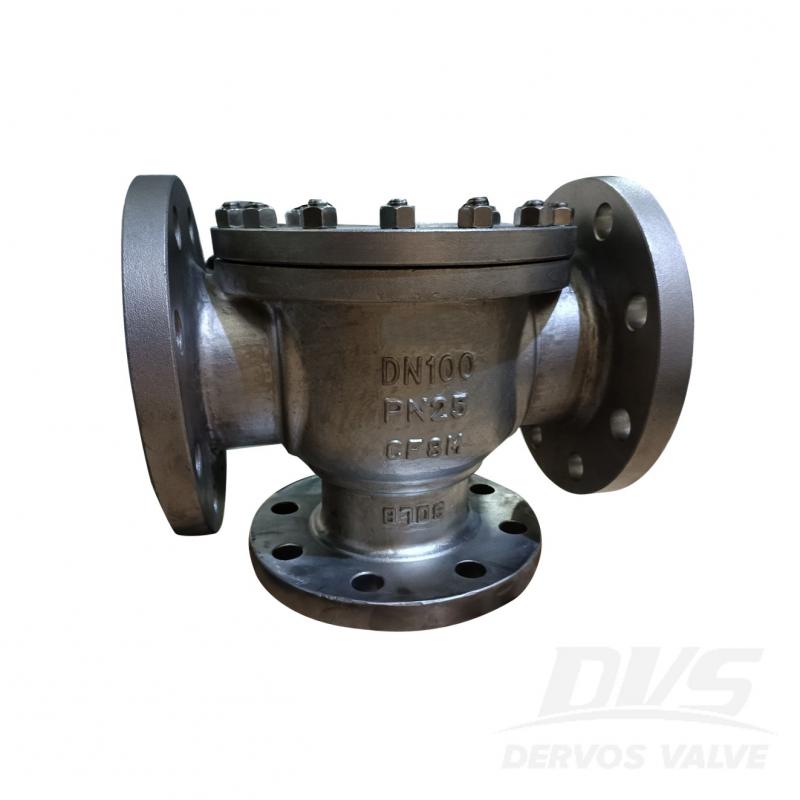
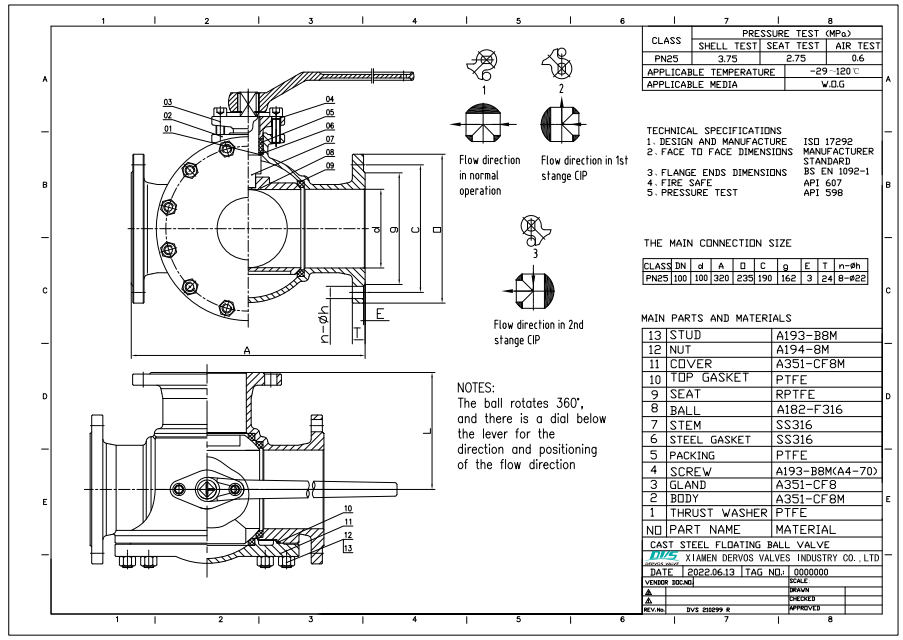
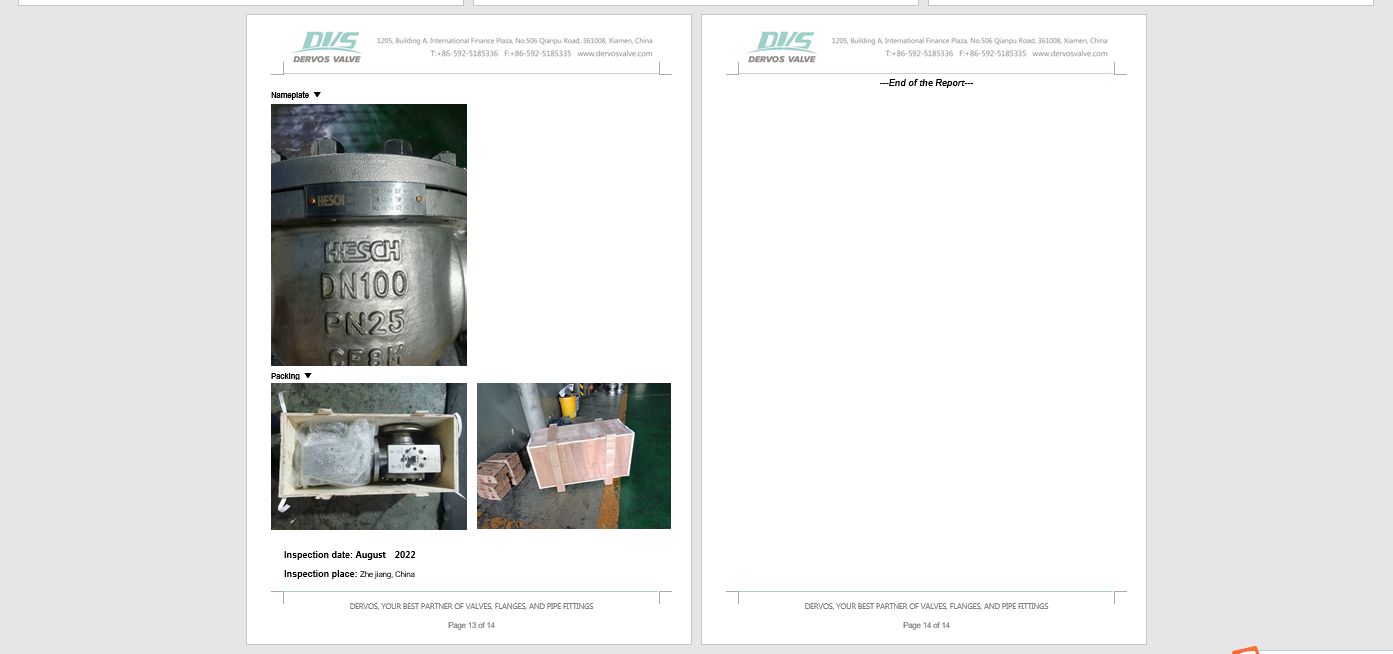
DN100 PN25 볼 밸브는 ISO 17292 표준에 따라 제작되었습니다. 밸브 본체는 A351-CF8M으로 만들어졌습니다. T자형, 플로팅 볼, 방화, 정전기 방지, 비행 방지 밸브 스템, 양방향의 구조적 특성을 가지고 있습니다. 연결 모드는 RF입니다. 그리고 다이얼 조작 모드를 위한 레버가 있습니다.
지불:
30% when order confirmed, 70% before shipment제품 원산지:
China색:
Customization배송 포트:
Shanghai, China리드 타임:
30~60 days Ex Works after order confirmationMaterial:
A351-CF8MMethod of Operation:
Lever with dial제품 설명
|
유형 |
볼 밸브 |
|
크기 |
DN100 |
|
압력 |
PN25 |
|
연결 |
RF |
|
작업 |
다이얼이 있는 레버 |
|
본체 재질 |
A351-CF8M |
|
디자인 기준 |
ISO 17292 |
|
대면 치수 |
제조업체 표준 |
|
플랜지 끝단 치수 |
BS EN 1092-1 |
|
화재 안전 |
API 607 |
|
테스트 및 검사 코드 |
API 598 |
|
온도 |
-29 ~ 120°C |
|
적용 가능한 매체 |
물, 석유 및 가스 |
특징
1. 낮은 유체 저항, 간단한 구조, 작은 부피 및 가벼운 무게;
2. 좋은 밀봉, 편리한 작동 및 유지 보수로 단단하고 신뢰할 수 있습니다.
기술 도면
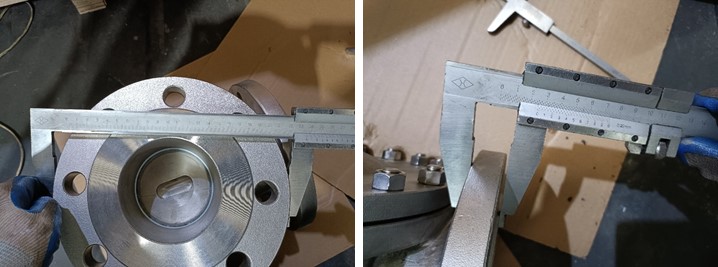
치수 확인
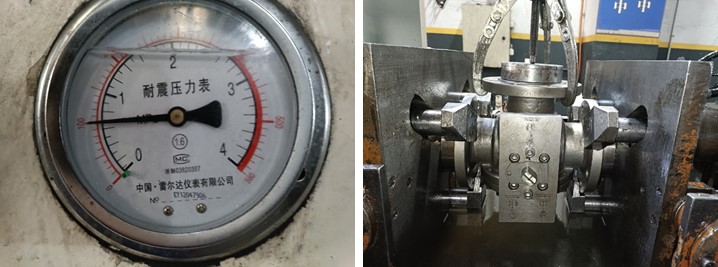
압력 테스트
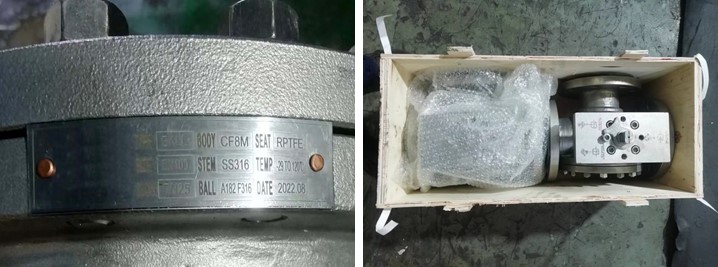
명판 및 포장
검사 보고서
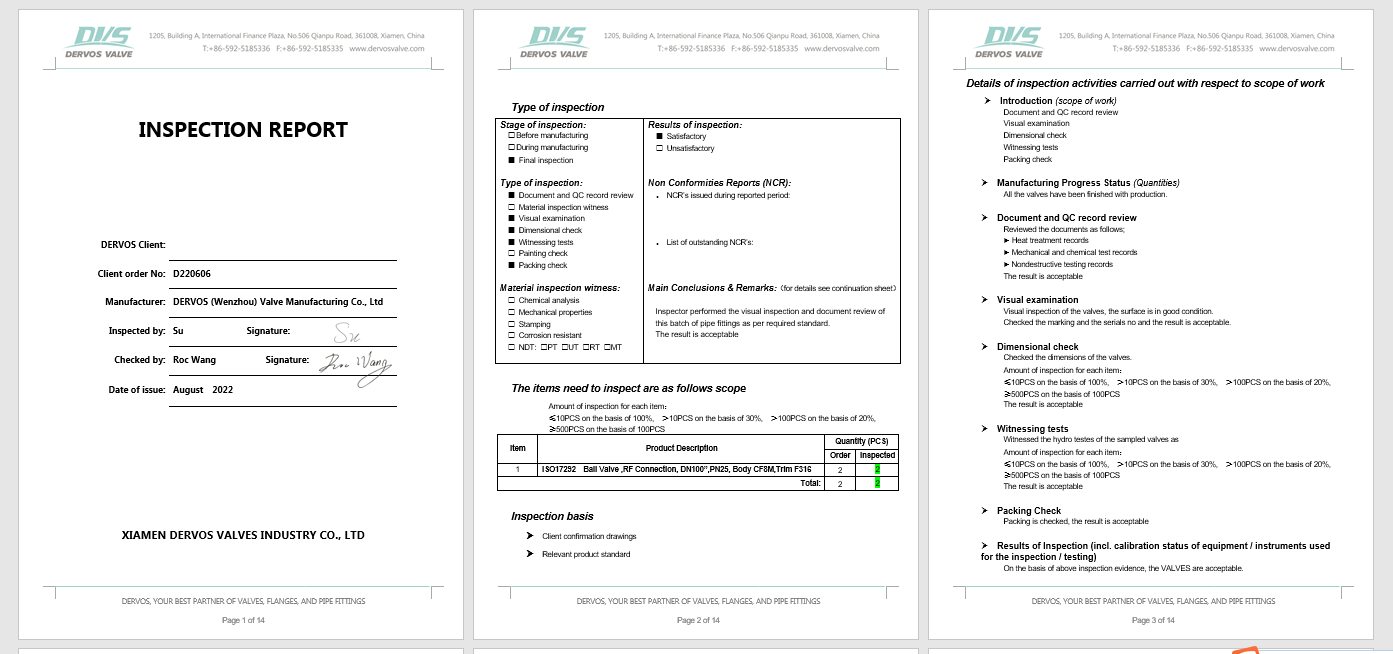
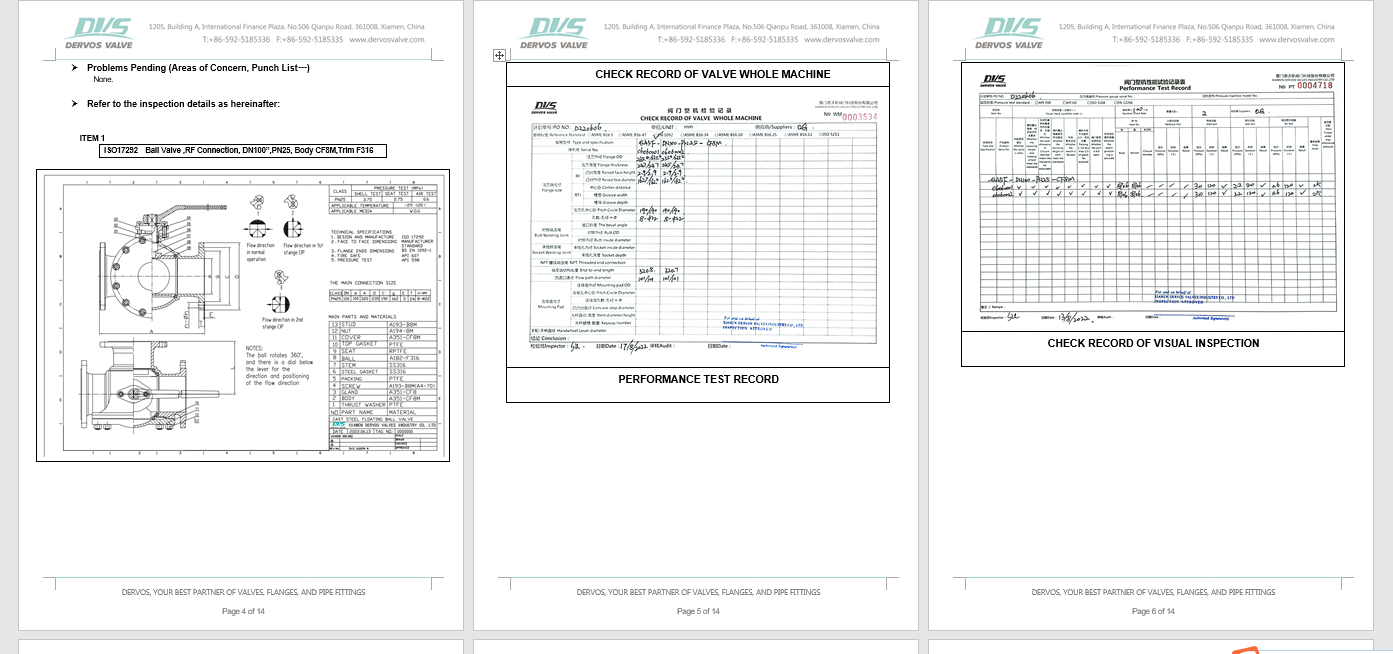
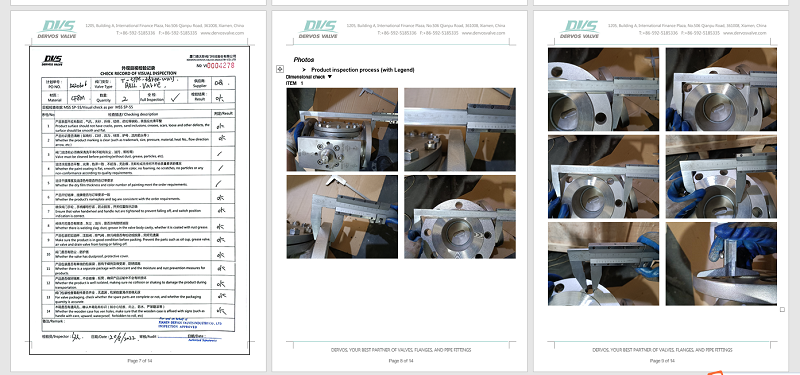
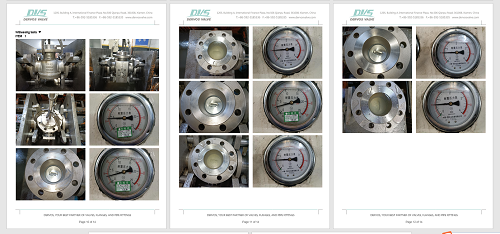
에 관심이 있다면 우리의 제품과한 자세한 내용을 알고 싶다면,메시지를 남겨주십시오 여기,우리가 응답할 것입니다 당신은 빨리 우리가 할 수 있습니다.

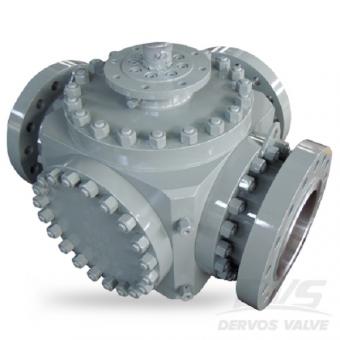
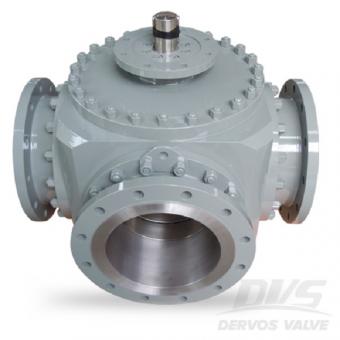
3 웨이 t 타입 볼 밸브는 플랜지 연결, 기어 박스, ss304 몸체, 볼 및 스템을 소유합니다. 3 인치 플랜지 볼 밸브는 t 형 3 방향 포트로 구성되어 포트 쌍 또는 3 개의 포트를 함께 연결할 수 있습니다. 빠른 세부 사항 유형 볼 밸브 크기 삼" 압력 아니 300 구성 세 가지 방법 볼 밸브 연결 플랜지 연결 조작 방법 변속 장치 신체 재료 a182 f304 제조 그리고 디자인 API 6D 압력 & amp; 온도 asme b16.34 끝으로 종료 암호 asme b16.10 종료 연결 asme b16.5 검사 API 6D, API 598 온도 범위 -29 ℃ ~ + 200 ℃ 매질 울다 관련 지식 t 포트와 l 포트 3 방향 볼 밸브의 차이점은 무엇입니까? 일반적으로 3 웨이 볼 밸브는 t 타입과 l 타입으로 나눌 수 있습니다. t 포트 3 방향 볼 밸브는 2 개의 포트를 연결할 수 있으며 3 개의 포트를 동시에 연결할 수도 있습니다. 그러나 l 포트 3 방향 볼 밸브는 중앙 포트와 측면 포트 중 하나만 연결하거나 3 개의 포트를 분리 할 수 있습니다. 자주하는 질문 1. 주문을 항상 제 시간에 배달 할 수 있습니까? Google 구매 팀은 각 주문을 매우 밀접하게 처리하여 대부분의 주문에 대한 정시 배송을 보장합니다. 2018 년에는 90 %가 넘는 주문이 제 시간에 전달되었으며 더 나은 결과를 위해 노력하고 있습니다. 2. 정상적인 배송 리드 타임은 얼마입니까? 일반 재료의 경우 일반적으로 배달 시간은 약 35 ~ 40 일이며 단조 재료의 경우 배달이 20 ~ 25 일로 단축 될 수 있습니다. 우리는 짧은 리드 타임이 우리의 제안을 더욱 경쟁력있게 만들고 더 많은 주문을 확보하는 데 도움이 될 수 있다고 생각합니다. 3. 당신은 다른 가격 수준? 수많은 공급 업체를 통해 다양한 가격 수준을 이용할 수 있으므로 다양한 시장에서 더 높은 가격, 중간 및 낮은 가격을 요구하는 고객을 확보 할 수 있습니다.
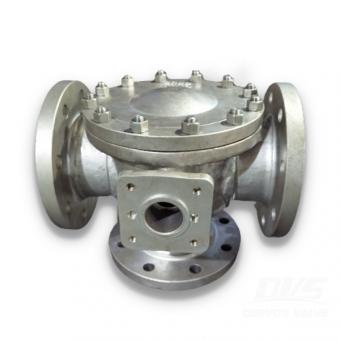
DN100 삼 Way Ball 밸브는 서비스 유체 흐름을 방향으로 고안된 밸브를 분리합니다.오히려 제한 또는 조절 기계, 증기, 가스, 오일, 원유, 산, 알칼리 및 기타 액체 및 기계적 액체 및 가스에 적합합니다
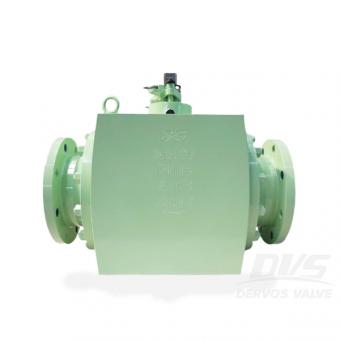
3 방향 볼 밸브에는 가스 또는 유체 흐름 (미디어) 용 배관 또는 튜빙에 연결된 3 개의 포트 또는 개구부가 있습니다.통과하려면