한국의

한국의

Get a Quote
업계 지식
Differences Between Wide-Body and Single-Piece Ball Valves
2026-02-06

Wide-body ball valves and single-piece ball valves are both types of ball valves used for controlling the on/off flow of medium in pipelines.


Both wide-body and single-piece ball valves feature a one-piece (integral) body design, unlike split-body designs. This differs from two-piece and three-piece ball valves, which have segmented valve bodies.


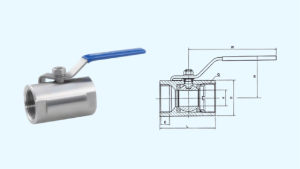
For internally threaded wide-body ball valves, the valve body is made from round or hexagonal stock, using either bar material or forged components. The ball core features a reduced-diameter design and is inserted from one side of the valve body. The stem uses an internal anti-blowout structure. Flat surfaces are machined on both the inlet and outlet sides of the body to facilitate assembly of the ball valve and allow the use of wrenches during pipeline installation.


ball valve

In wide-body ball valves, the stem stuffing box is relatively shallow, and the internal packing volume is limited, resulting in a moderate sealing performance of the stem. Therefore, these valves are more suitable for low-pressure medium applications. In contrast, two-piece and three-piece ball valves feature stem stuffing box structures that provide reliable sealing for high-pressure medium applications.


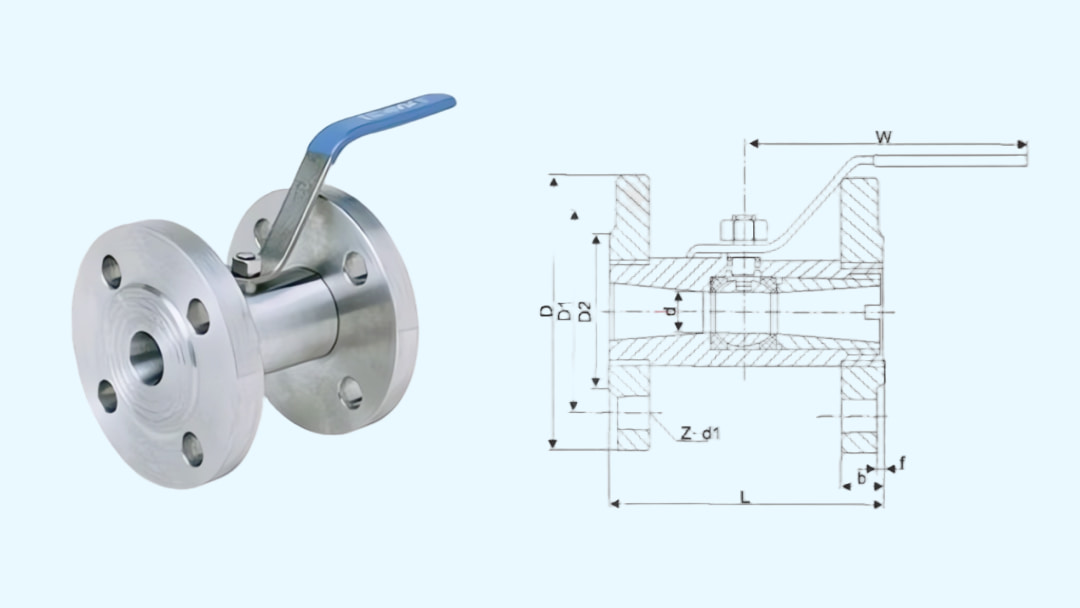
The structure of flanged wide-body ball valves is essentially the same as that of internally threaded wide-body ball valves. Typically, the flange is connected to the intermediate valve body via threaded fasteners, although some designs utilize a forged one-piece structure.

 ball valve

Externally threaded wide-body ball valves can use a union-type structure, where the union is directly welded to the pipeline and connects to the external threads on the valve body. This design allows for easy disassembly and reassembly during valve maintenance or replacement without requiring separate unions on the pipeline.


The valve bodies of single-piece internally threaded ball valves and single-piece flanged ball valves are manufactured using casting processes, with the ball core featuring a reduced-diameter design. The stem uses an internal anti-blowout structure. The inlet and outlet ends of single-piece internally threaded ball valves have a hexagonal shape, similar to conventional internally threaded valves, to facilitate wrench operation and secure installation.


In single-piece flanged ball valves, the flange and valve body are cast as a single unit, eliminating the need to machine and assemble the flange separately as in wide-body flanged ball valves. This approach reduces cost and simplifies the manufacturing process.


Single-piece wafer-style ball valves have a shorter valve body length, making them more suitable for pipelines with limited space.


Wide-body and single-piece ball valves both use a reduced-diameter ball design, resulting in higher flow resistance compared with two-piece and three-piece ball valves.

The main differences are as follows:


Valve Body Manufacturing Process

Wide-body ball valves use round or hexagonal bar stock for the body, typically manufactured by forging. This avoids casting defects such as sand holes, shrinkage cavities, or porosity, and provides a larger machining allowance.

Single-piece ball valves are made using precision casting, which results in smaller machining allowances.

Pipeline Connection Methods

Wide-body ball valves can be connected using internal threads, flanges, ferrule connections, or externally threaded union-type connections, where the union can be welded directly to the pipeline.

Single-piece ball valves are commonly connected using internal threads, flanges, or wafer-style connections.


Cost

● For carbon steel valves, the cost difference between the two types is minimal.

● For forged 304 or 316 stainless steel, wide-body ball valves cost approximately twice as much as single-piece ball valves.


Stem Stuffing Box Structure

● In internally threaded, externally threaded, and flanged wide-body ball valves, the stem stuffing box is relatively shallow, with limited packing volume. Under frequent operation, the stem may be prone to leakage. Improved valve body designs feature a raised stuffing box that can accommodate more packing, preventing medium leakage at the stem.

● The stuffing box of a single-piece internally threaded ball valve is also relatively shallow. In single-piece flanged ball valves, the stuffing box is taller and can accommodate more packing than the internally threaded version, improving sealing performance at the stem.


Insulated Ball Valve Applications

For insulation modifications, single-piece flanged ball valves are used rather than flanged wide-body ball valves.

메시지를 남겨주세요

    에 관심이 있다면 우리의 제품과한 자세한 내용을 알고 싶다면,메시지를 남겨주십시오 여기,우리가 응답할 것입니다 당신은 빨리 우리가 할 수 있습니다.

제품

접촉