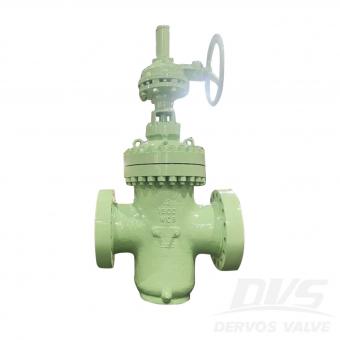
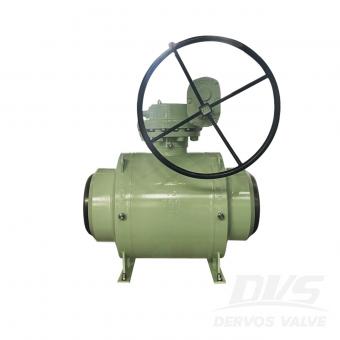
게이트 밸브 차단 밸브는 산업용 배관 시스템에서 가장 흔하게 사용되는 차단 밸브 중 하나입니다. 간단한 구조, 낮은 유동 저항, 그리고 안정적인 밀봉 성능 덕분에 에너지, 석유화학, 수처리, 야금 산업 등 다양한 분야에서 널리 활용되고 있습니다.
하지만 게이트 밸브가 "만능 해결책"은 아닙니다. 부적절한 유체를 사용하거나, 잘못 설치하거나, 부적절한 조건에서 작동할 경우 심각한 안전 위험이 발생할 수 있습니다.
이 글은 엔지니어, 구매 전문가 및 프로젝트 계약자가 보다 정확한 선택을 할 수 있도록 게이트 밸브에 적합한 유체와 부적절한 사용으로 인한 일반적인 위험에 대해 자세히 설명합니다.
게이트 밸브는 양방향 밀봉, 직선형 전체 유로, 고온 및 고압에 대한 뛰어난 내성을 특징으로 합니다. 이러한 특성 덕분에 다양한 액체 및 기체 매체, 특히 다음과 같은 범주에 적합합니다.
1. 깨끗한 유체 (가장 이상적인 적용 분야)
처리수, 순환수, 냉각수 및 경질유를 포함합니다.
이러한 매체는 게이트 또는 밀봉 표면에 마모를 일으키지 않으므로 게이트 밸브가 가장 긴 수명을 달성하는 환경입니다.
2. 고온 증기
게이트 밸브의 금속 시트 구조는 열팽창과 열충격을 견딜 수 있어 증기 배관에 전통적으로 사용되어 왔습니다.
일반적인 적용 분야:
발전소 보일러 시스템
화학 공장의 증기 분배
지역난방 네트워크
3. 고온·고압 매체
고압 등급(예: PN100 또는 600급 이상)의 경우, 게이트 밸브는 버터플라이 밸브 및 볼 밸브에 비해 구조적 안정성과 밀봉 신뢰성이 더 우수합니다.
4. 석유 제품 및 약한 부식성 매체
휘발유, 디젤, 윤활유 등이 그 예입니다.
소량의 황을 함유하거나 약한 부식성을 나타내는 매체의 경우, 스테인리스 스틸 게이트 밸브도 사용할 수 있습니다.
5. 소량의 비마모성 입자를 함유한 매체
예를 들어 특정 폐수나 약간 모래가 섞인 유체 등이 있습니다.
입자가 크거나 날카롭지 않은 한, 게이트 밸브는 여전히 안전하게 작동할 수 있습니다.
게이트 밸브는 적용 범위가 넓지만, 명확한 한계점도 있습니다. 잘못 사용하면 밸브가 조기에 고장 나거나 시스템이 손상될 수도 있습니다.
1. 마모성이 매우 높거나 입자가 풍부한 매체
예시: 슬러리, 모래-슬러리 혼합물, 고형물이 다량 함유된 폐수.
이물질이 밀봉면 사이에 끼거나 게이트 가이드에 걸려 제대로 닫히지 않고 밸브를 닫을 수 없게 될 수도 있습니다.
보다 적합한 대안으로는 나이프 게이트 밸브, 연성 주철 체크 밸브 등이 있습니다.
2. 결정화되거나 점착되는 경향이 있는 매체
예시: 염수, 결정화 경향이 높은 화학 용액.
결정화 현상은 게이트를 막아 작동이 어렵거나 불완전하게 될 수 있습니다.
3. 점도가 매우 높은 매체
예: 중질유, 아스팔트, 젤 형태의 유체.
높은 점도는 게이트의 수직 이동을 방해하여 과도한 작동 토크 또는 액추에이터 손상을 초래할 수 있습니다.
4. 빈번한 작동이 필요한 시스템
게이트 밸브는 이동 거리가 길고 개폐 속도가 느려 잦은 작동이나 유량 조절 조건에는 적합하지 않습니다.
잦은 작동에 더 적합한 밸브: 볼 밸브, 버터플라이 밸브.
게이트 밸브를 부적절한 조건에서 사용하면 유지 보수 비용이 증가할 뿐만 아니라 시스템적인 위험을 초래할 수도 있습니다.
1. 불완전한 폐쇄 또는 폐쇄 실패
입자, 결정화 또는 부식으로 인해 게이트가 시트에 제대로 밀봉되지 않아 누출이나 역류가 발생할 수 있습니다.
2. 게이트 고착으로 인한 작동 불능
고체 또는 결정화 매체가 있는 조건에서 흔히 발생합니다.
수동 조작이 불가능해질 수 있으며, 전기 액추에이터의 과도한 토크로 인해 과열로 인한 고장이 발생할 수 있습니다.
3. 밀봉면의 심각한 침식, 수명 단축
게이트 밸브는 유량 조절용으로 설계되지 않았습니다. 유량 조절을 위해 밸브를 부분적으로 열어 놓으면 게이트와 밸브 시트가 고속 유체에 노출되어 침식되어 조기에 손상될 수 있습니다.
4. 운영 안전성 저하
증기, 석유 또는 고압 시스템에서 게이트가 제대로 닫히지 않거나 갑자기 고착되면 압력 변동이나 장비 손상이 발생할 수 있습니다.
5. 불필요한 유지보수 및 가동 중단 시간
밸브가 조기에 고장 나면 게이트/시트를 분해, 연마 또는 교체해야 하므로 상당한 시간과 비용 손실이 발생합니다.
다음과 같은 간단한 논리를 사용하면 적합성을 빠르게 평가할 수 있습니다.
1. 매체가 깨끗한가요?
깨끗함: 일반적으로 적합함
입자가 다량 함유되어 있습니다. 사용 시 주의하거나 사용을 자제하십시오.
2. 기온이 높은가요?
고온 환경: 게이트 밸브는 분명한 이점을 제공합니다.
일반적인 온도: 여전히 사용 가능하지만, 볼 밸브나 버터플라이 밸브를 사용하는 것도 고려해 볼 수 있습니다.
3. 압력이 높은가요?
고압 환경: 게이트 밸브는 더욱 안정적이고 신뢰할 수 있는 성능을 제공합니다.
4. 잦은 작동이 필요한가요?
잦은 자전거 타기: 권장하지 않음
간헐적 사용: 일반적인 용도에 적합합니다.
이 간단한 평가 방법은 효과적이며 엔지니어링 밸브 선정에서 경험적 지침으로 널리 사용됩니다.
게이트 밸브는 산업 분야에서 신뢰성이 매우 높은 차단 밸브로, 깨끗한 유체, 고온 증기, 고압 시스템 및 약한 부식성 매체에 적합합니다. 그러나 입자가 함유된 유체, 결정화 유체, 고점도 유체 또는 빈번한 작동이 요구되는 시스템에서 사용할 경우 수명이 크게 단축될 수 있으며, 장비 손상이나 안전 위험이 발생할 수 있습니다.
적절한 밸브 선정 논리를 숙지하면 유지보수 비용을 크게 절감하고 시스템 안정성을 향상시킬 수 있습니다. 프로젝트용 밸브를 선정하거나 특수 유체를 다루는 경우, 언제든지 저희에게 연락하여 전문적인 지원과 기술 지침을 받으시기 바랍니다.
Q1: 게이트 밸브는 폐수 처리에 사용할 수 있습니까?
네, 하지만 폐수에 입자가 많지 않고 마모성이 높지 않은 경우에만 가능합니다. 그렇지 않은 경우에는 나이프 게이트 밸브를 사용하는 것이 좋습니다.
Q2: 게이트 밸브는 유량 조절에 사용할 수 있습니까?
권장하지 않습니다. 게이트 밸브를 부분적으로 열어 작동시키면 심각한 침식이 발생하여 게이트 및 밀봉면이 손상될 수 있습니다.
Q3: 증기 배관에서 볼 밸브보다 게이트 밸브가 더 흔히 사용되는 이유는 무엇입니까?
게이트 밸브는 고온에 대한 저항성이 뛰어나며, 금속 밀봉재는 열팽창과 충격에 더 잘 견딜 수 있습니다.
Q4: 게이트 밸브로 고점도 오일을 처리할 수 있습니까?
적합하지 않습니다. 점도가 높아 게이트 작동을 방해하고 밸브가 고착될 수 있습니다.
Q5: 게이트 밸브가 제대로 닫히지 않는 원인은 무엇입니까?
일반적인 원인으로는 밀봉 표면에 이물질이 유입되거나, 부식, 결정화 또는 게이트 변형이 발생하는 경우가 있습니다. 분해 또는 부품 교체가 필요할 수 있습니다.