슬라이딩 방식과 스윙 타입 라인 블라인드 밸브는 모두 동일한 핵심 목적, 즉 완전 차단을 위해 사용됩니다. 닫힌 위치에서는 견고한 블라인드 플레이트가
배관 보어를 차단하여 작업자가 유지보수, 검사, 셧다운 작업 또는 유체 전환 전에 시각적이고 기계적인 격리 방법을 확보할 수 있게 합니다.
차이는 한쪽만 차단할 수 있고 다른 쪽은 그렇지 않은지가 아닙니다. 실제 문제는 밸브가 어떻게 움직이는지, 현장에 얼마나 많은 공간이 있는지, 얼마나자주 라인을 전환해야 하는지, 그리고 압력, 온도 및 현장 접근 제한 조건에서 작업이 얼마나 어려울지입니다.
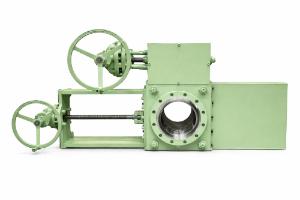
A 슬라이딩 타입 라인 블라인드 밸브는 블라인드 플레이트를 측면으로 이동시킵니다. 이 설계는 측면 여유 공간은 있지만 스윙 공간이 제한된 경우 유용합니다. 스윙 타입 라인 블라인드 밸브는 블라인드 플레이트를 유로 안쪽 또는 바깥쪽으로 회전시킵니다. 플레이트가 회전할 수 있는 설치 공간이 있고 빠르고 명확한 전환이 필요한 경우 자주 선택됩니다.
|
선정 요소 |
슬라이딩 타입 라인 블라인드 밸브 |
스윙 타입 라인 블라인드 밸브 |
|
구조 |
블라인드 플레이트가 열림과 닫힘 위치 사이에서 측면으로 미끄러져 이동 |
블라인드 플레이트가 열림과 닫힘 위치 사이에서 회전하거나 스윙 이동 |
|
작동 |
플레이트 이동을 쉽게 하기 위해 기어, 유압, 공압 또는 전동 보조 방식이 자주 사용됨 |
크기와 등급에 따라 수동, 기어, 유압, 공압 또는 전동 작동 방식 사용 |
|
유지보수 |
슬라이딩 트랙, 밀봉면 및 구동 부품을 정기적으로 점검해야 함 |
회전축, 잠금 부품, 밀봉면 및 구동 부품을 검사해야 함 |
|
공간 요구사항 |
일반적으로 스윙 반경이 제한된 경우 더 적합하지만 측면 이동 공간이 필요함 |
배관 주변에 충분한 스윙 여유 공간이 필요함 |
|
적합한 서비스 |
빈번한 전환, 컴팩트한 플랜트 배치, 제한된 스윙 공간 |
명확한 작동 경로, 빠른 전환, 유지보수 격리, 오일, 가스, 증기 또는 화학 라인 |
컴팩트한 플랜트, 파이프 랙 또는 주변 장비가 있는 영역에서는 슬라이딩 타입 설계가 배치하기 더 쉬울 수 있습니다. 측면 이동 방식은 스윙 플레이트에 필요한 큰 회전 호를 피할 수 있습니다. 이러한 이유로 설치 공간이 중요한 제약 조건일 때 슬라이딩 라인 블라인드가 자주 고려됩니다.
스윙 타입 설계는 현장에 충분한 여유 공간이 있고 작업자가 개방 위치와 블라인드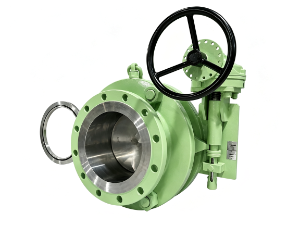 위치 사이의 간단하고 시각적인 변화를 원할 때 선호되는 경우가 많습니다. 대형 크기 또는 높은 압력 등급에서는 작동 방식이 중요해집니다. 기어, 유압, 공압 또는 전동 작동은 수동 작업 부담을 줄이고 안전성을 향상시킬 수 있습니다.
두 가지 중 선택할 때는 현장 배치부터 확인하십시오. 밸브가 전체 이동 거리만큼 물리적으로 움직일 수 없다면 사양이 아무리 좋아 보여도 설계는 잘못된 것입니다. 그다음 압력 등급, 유체, 온도, 재질, 밀봉 방식, 전환 빈도 및 요구되는 시험 기준을 확인해야 합니다.
고온 증기의 경우, 고온 오일, 가스, 독성 유체 또는 가연성 서비스에서는 밸브 유형만으로 선택하지 마십시오. 본체 재질, 블라인드 플레이트 재질, 씰 재질, 작동 토크, 잠금 방식 및 밸브 위치를 명확하게 확인할 수 있는지를 확인하십시오.
간단히 말하면: 플랜트 배치가 스윙 이동을 제한하거나 제어된 빈번한 전환이 필요한 경우 슬라이딩 타입 라인 블라인드 밸브를 선택하십시오. 스윙 타입 라인 블라인드 밸브는충분한 작동 공간이 있고 직접적이며 시각적인 회전식 전환이 선호되는 경우 선택하십시오.
슬라이딩 및 스윙 라인 블라인드 밸브는 모두 완전 차단에 사용됩니까?
예. 두 설계 모두 닫혔을 때 배관을 물리적으로 차단하기 위해 견고한 블라인드 플레이트를 사용합니다.
제한된 공간에는 어떤 유형이 더 적합합니까?
슬라이딩 타입 라인 블라인드 밸브는 회전 여유 공간이 제한된 경우 더 적합한 경우가 많지만, 측면 이동 공간도 반드시 확인해야 합니다.
어떤 유형이 작동하기 더 쉽습니까?
크기, 압력 등급 및 구동 방식에 따라 다릅니다. 대형 또는 고압 밸브의 경우 기어, 유압, 공압 또는 전동 작동이 필요할 수 있습니다.
라인 블라인드 밸브 선택에 도움이 필요하신가요?
문의하기 전에 유체 종류, 압력 등급, 온도, 배관 크기, 재질 요구 사항, 사용 가능한 설치 공간, 전환 빈도, 작동 방식 및 시험 기준을 준비하십시오.